starring Robert Downey Jr, Terrence Howard, Jeff Bridges and Gwyneth Paltrow
written by Mark Fergus, Hawk Ostby, Art Marcum and Matt Holloway & directed by Jon Favreau
Rated PG-13 for some intense sequences of sci-fi action and violence, and brief suggestive content.
87%
Billionaire weapons manufacturer Tony Stark (Downey Jr.) re-evaluates his irresponsible lifestyle and business practices after a terrorist group in Afghanistan kidnaps him and commands him to build them a missile. Instead, he constructs a powerful metal suit and uses it to escape. Once free, he decides to improve the new technology and use it to clean up the mess created by his share of the American military-industrial complex, but his amazing suit has not gone unnoticed by the other cogs in the war machine.
Iron Man feels very much like the James Bond entry in the superhero genre (although Bond is, in his own way, a superhero). There are beautiful women, sweet cars, outrageously cool gadgets, large explosions, an ultra-smooth leading man and a quasi-sophisticated story drawn from current events and told on a global scale. All of these elements combined form an impressive vanguard to this summer’s batch of special effects-fueled blockbuster fare, but is it anything more than that? Well, yes and no.
The first thing Iron Man really has going for it are the special effects. Since the action essentially revolves around a the abilities of a variety of ridiculously tricked-out metal suits, it is important that the results be both impressive and realistic-looking. They are. Stark moves with an appropriate weight when he is suited up. The effects that bring this to life are contiguous with the concrete elements, and it is not immediately apparent where reality ends and the computers take over. Some of the action sequences are positively jaw-dropping, and, more importantly, they are immersive. I found myself absorbed by what was going on on the screen rather than being consciously aware of the quality of the effects.
Second, Iron Man tells a reasonably good story. The movie takes its time in laying out the groundwork of the character’s origins. That origin is perhaps of even greater importance here than it might be in another superhero film because the main character begins the movie as a (mostly) likable anti-hero and must slowly (and believably) evolve into a more altruistic person due to his circumstances. The care and attention lavished on this character arc is probably the movie’s greatest strength on a cerebral level, but it is responsible for the greatest weakness, as well. So much time is spent developing this foundation that the climactic battle with the villain at the end, and even the development of that villain, feels shoehorned into the final few minutes as though to fulfill a requirement of the genre. This being a superhero movie, an equally-super villain must rise to challenge him by the end, so one does.
Further, Iron Man seems so self-consciously aware of itself as only the opening chapter in the next major superhero franchise (and, believe me, there will be a franchise), that it cannot resist a barrage of none-too-subtle winks to remind the audience of more movies to come. Many such movies will end with a very open-ended nod in the direction of a sequel, but here there are so many nods that the sure-to-be-forthcoming Iron Man 2 is a major theme of Iron Man. The result was quite distracting, particularly during the abbreviated climax.
Finally, there is the cast to consider. The support from Howard, Bridges, Paltrow and others (including an uncredited Paul Bettany as the voice of Stark’s computer) is top-notch. Paltrow in particular delivers a disarmingly believable and down-to-earth performance, despite being saddled with a ridiculous moniker. (Pepper Potts? Really? I cringed everytime her character’s name was mentioned.) The chemistry between Pepper (*cringe*) and Stark was a pleasure to watch.
Make no mistake, though, despite state-of-the-art visuals, a decent plot and a strong supporting cast, Robert Downey Jr. is the movie. His charm and talent and dry sense of humor really kick Iron Man up several notches on the entertainment scale. It is not really an exaggeration to say that, without him, this movie has bupkis. He is the hero and the much-needed comic relief. I don’t think I’ve ever laughed as much or as freely in a serious superhero movie; at least not with the movie. From the opening moments, Downey creates a character that we both like and care about, despite being a shallow, womanizing, amoral lush, so that we are already invested and ready to follow him through every step of the transformation ahead. It is an impressive feat, and he makes it look effortless.
However, what I think I appreciated most about the movie thematically was its complex take on battling evil, with Stark as a surrogate for America as a nation. Without explicitly stating as much, Iron Man suggests that, while evil men certainly exist in the world, some of them are on our side, and building a bigger, better or smarter bomb creates its own unique and serious problems, whatever others it may solve. Early in the film, Stark, in a conversation with an indignant reporter, says, “My old man had a philosophy. Peace means having a bigger stick than the other guy.” The reporter replies, “That’s a great line coming from a guy selling sticks.”
Later on, Stark says, “I saw young Americans killed by the very weapons I created to defend them and protect them. And I saw that I had become part of a system that is comfortable with zero-accountability.” And yet, seeming to feel that the rules still don’t apply to him, he creates a new “ultimate weapon” to rid the world of the threat caused by his other weapons. In light of this, it is fitting that he is forced, in the end, to face an enemy that he is ultimately responsible for. In a way, Stark is his own worst enemy and, as with America, the gravest danger, both to himself and to everything he has come to stand for, is of his own devising.
“I had a hell of a time trying to eat my egg on toast in the dark. Half of it’s in my ear, now.”
“If the juice dries up of its own accord, that’s an Act of Providence as laid down in the Act of William the Fourth, where an act is defined as any activity actuated by actual action.”
“When one sets out to put the fear of death into people, it is not helpful to make them laugh. We are not comedians.”
“You must have been showing some funny sort of films, I dare say. You know, perhaps a bit too hot.”
“Don’t forget, the birds will sing at 1:45.”
“Who killed Cock Robin?”
“But she said it before. Or was it after? I can’t remember.”
–Sabotage
Had Hitchcock known in advance that his next project would be an adaptation of The Secret Agent by Joseph Conrad, he might have chosen a different title for Secret Agent. As it was, after a number of title considerations (including the sensationalistic I Married a Murderer) the film was called Sabotage. In an effort to make the story (written in 1907 and set in 1886) more visceral, it was brought into a contemporary setting and the central terrorist organization was changed from an anarchist group to the sinister agents of an unnamed foreign power. It is safe to assume that this power was meant to at least evoke Nazi Germany, but the main saboteur’s name was changed from Adolf to Karl.
Despite the original’s status as one of Conrad’s most acclaimed novels, Hitchcock had his usual lack of compunctions about using the material as simply a springboard for his own ideas. In particular, as with both The 39 Steps and Secret Agent, a major love interest was added (even though the female lead is already married to another man), and the ending, though somewhat bleak, is considerably cheerier than Conrad’s.
The production was designed to accommodate major American star Sylvia Sidney, on loan from Hollywood. Sidney plays Mrs. Verloc opposite Austrian actor Oskar Homolka as Mr. Verloc. Homolka went on to garner an Oscar nomination for his performance in I Remember Mama (1948), and appeared in a few episodes of “Alfred Hitchcock Presents.” The true leading man of the film, however, is John Loder as undercover policeman Ted Spencer. Loder was emphatically the second choice for the role; Hitchcock was still pursuing Robert Donat for another film. Unfortunately, Donat was hospitalized due to severe asthma at the time, and Hitch was forced to settle. Young Desmond Tester rounds out the cast as Mrs. Verloc’s half-wit brother, Steve.
Sabotage begins with a major power outage striking London, caused by Verloc, the owner of a small cinema house. Amidst the darkness and confusion of the loss of electricity, Verloc slips back home to the theater and sneaks into bed, pretending to have been there all along. Meanwhile, a near-riot is about to break out in front of the box office, where customers are demanding a refund that the struggling theater can ill-afford. Mrs. Verloc argues with the stubborn crowd, and is both helped and hindered by Ted, a detective from Scotland Yard who is posing as an employee of the greengrocer next-door so he can keep an eye on Verloc.
Ted has a soft spot for Mrs. Verloc, and indeed there seems to be no genuine romance in her business-like marriage to Verloc. He seems to serve the function of caring for her and her brother, while she provides a veneer of respectability and keeps the household running. Verloc’s motives for working as a domestic terrorist are somewhat murkier. He is principled, refusing to participate in anything that will cause loss of life, but also mercenary, seeming to operate chiefly in the interest of supplementing his meager income.
The day after the power outage, Verloc meets clandestinely with his superior in an aquarium. Headquarters has declared the previous night’s operation a failure, citing headlines that proclaim “London Laughs at Black-Out.” Verloc’s superior demands something more substantial if Verloc wishes to get paid. He orders Verloc to visit a certain pet store, whose owner happens to run a sideline bomb-making. The bomb is to be placed underneath Piccadilly Circus on the Lord Mayor’s Show Day, when the streets will be filled with crowds. Although Verloc is initially resistant to the idea, he obviously needs the money.
While Verloc plots with various fellow terrorists, Ted continues his investigation by pursuing a friendly relationship with Steve and Mrs. Verloc. He concludes that, if Verloc is up to something, his wife is ignorant of it. Matters come to a head when Ted is caught attempting to spy on a meeting of the terrorists and one of them recognizes him as a detective. Verloc knows that he is under surveillance, but the package with the bomb arrives and must be delivered before it goes off at 1:45.
In desperation, Verloc sends Steve to deliver the package, warning him of the importance of speed. Steve, however, is easily distracted by the festivities, and dawdles along the way. He boards a bus to make up for lost time, but the bus is caught in traffic. The bomb explodes on schedule, destroying the bus and killing Steve. Meanwhile, Verloc has managed to convince Ted of his innocence, and when news of the bombing arrives, Ted rushes away.
Mrs. Verloc discovers that Steve was caught in the blast when the newspapers mention the discovery in the wreckage of a film canister the boy was carrying. Verloc foolishly divulges his involvement in Steve’s death, making a variety of excuses for himself. Mrs. Verloc ultimately murders him with a knife while serving him his dinner. Ted returns to the cinema to comfort Mrs. Verloc and discovers what has happened. Mrs. Verloc is determined to confess her crime to the police (who are now closing in on Verloc and the pet shop owner who made the bomb), but Ted wants her to run away to France with him.
In the film’s final moments, Mrs. Verloc defies Ted and blurts out the fact that her husband is dead to an inspector. No sooner have the words left her mouth than the theater explodes, destroyed by the bomb-maker (who is inside) and obliterating both him and the evidence of Verloc’s actual cause of death. In the confusion, Ted leads the sobbing woman away down the street, and the inspector cannot remember whether Mrs. Verloc mentioned her husband’s death before or after the blast.
With its love triangle (one angle of which is a sympathetic Scotland Yard detective conveniently assigned to the relevant case) and its London setting, Sabotage is most akin to early Hitchcock films like The Lodger and Blackmail. In fact, its ending is lifted directly from the latter film. “Self-plagiarism,” as Hitchcock liked to say, “is style.” There is plenty of suspense to go around in Sabotage , but unlike the other films of this period there is no mystery. Almost as soon as we know that there has been an act of sabotage, we know who the saboteur is. Ted’s character is revealed to be working undercover in the scene immediately following his introduction as a lowly greengrocer. There are no sudden twists in the plot that reverse our expectations late in the game.
The growing attraction between Ted and Mrs. Verloc (beginning with a characteristically antagonistic exchange in the opening scene) provides a few interludes that attempt to lighten the film. These scenes seem almost to exist in their own movie, particularly an extended sequence where Ted takes Mrs. Verloc and Steve out to lunch at Simpson’s (a favorite haunt of Hitchcock’s) in order to simultaneously woo her and grill her for information. Perhaps if Loder had as much natural charisma and comedic timing as Donat brings to bear in The 39 Steps , these portions of the film might hold up better, but as it is they do little or nothing to advance the story or draw sympathy for the characters.
The best scenes are (unsurprisingly) connected with Verloc himself (a complex and fascinating character who serves as both villain and antihero), the central bomb plot and its devastating aftermath. In the aquarium scene, for instance, Hitchcock masterfully selects an ambiance that reflects the sinister machinations of the conspirators. The murky lighting and the lurking of shadowy, indistinct figures behind the glass convey a sense of unease. The two men have their backs to the camera for much of the scene as they stand next to each other, muttering softly together and pretending to enjoy the underwater view.
This is not the only visual connection in Sabotage between the animal kingdom and impending disaster, either. The bomb-maker’s pet shop specializes in birds. These birds serve as harbingers of doom, arriving along with the bomb packages to help allay suspicion. Their presence foreshadows death for Steve, Verloc, and ultimately the owner of the pet shop, among others.
One of the neatest strokes in Sabotage , however, is the movie theater setting. Hitch uses the films shown in Verloc’s cinema house to subtly blur the lines between reality and fiction. Early in the film, Ted stops by the Verloc dining room at suppertime to deliver some lettuce (and see Mrs. Verloc). When shots and screams ring out just outside the room, he jumps, then realizes that the noise came from the film showing on the other side of the window. “I thought someone was being murdered,” he breathes. “Someone probably is,” Verloc replies, in a tone filled with meaning. Later, when he sends Steve on the fatal errand, it is under the pretext of delivering the film Bartholomew the Strangler (which Steve proudly claims to have seen several times) to another theater.
In the aquarium scene we are permitted a glimpse inside Verloc’s mind, as he imagines the effect of the explosion on its intended target. Interestingly, he pictures Piccadilly projected onto a screen (the glass wall of one of the tanks is transformed before our eyes), and as the sound of an explosion echoes, the scene does not so much disintegrate as it melts, like a piece of film that is just starting to burn in the heat of the lamp. Verloc’s detachment is such that he only imagines the devastation he will cause in the context of an artificial, flickering image. Or, as Hitch himself might say, “It’s only a movie.”
The most striking scene connected with the theater, however, comes after Steve’s death. Verloc has just confessed to his wife and calmly sits down to await his dinner. Mrs. Verloc wanders out into the theater in a daze, where a noisy crowd is enjoying Walt Disney’s (Hitchcock was a fan) Oscar-nominated animated short, “Who Killed Cock Robin?” (1935). She sits down to watch, and is soon laughing along with the crowd. Cock Robin is wooing a buxom female bird (a caricature of Mae West), when a shadowy figure with a bow and arrow creeps up and shoots him in the chest. As Robin drops to the ground, we get a close-up shot of Mrs. Verloc’s face, all merriment gone as the sounds of the cartoon’s title theme ask the question, “Who killed Cock Robin?”
She gets up and goes back into the dining room, were Verloc is waiting to eat, and starts to serve him his dinner. He assumes she has recovered somewhat and begins to complain about the meal. Mrs. Verloc, obviously disgusted with him, continues to serve up the meat, but pauses to look down at the large knife in her hand. Something about it disturbs her and she thrusts it away, picking up another utensil to serve with. Verloc stupidly refers to Steve, forgetting for a moment that he is dead, and they both glance over at his empty place at the table.
Suddenly, Mrs. Verloc finds that she is holding the knife once more. She seems confused by the sight of it, and sets it down hurriedly. As she stares distractedly at Verloc, her hand jerkily moves towards the knife and away. He notices her strange behavior and stands up very slowly, moving carefully around the table towards her. He reaches for the knife, and she snatches it up, clutching it to herself. He inches closer, a bit frightened now, and the camera focuses in on their faces. Suddenly, she starts with a small shriek and he cries out. We see her hand letting go of the handle of the knife, which is now embedded in Verloc’s stomach. She seems to have stabbed him almost accidentally, or at least involuntarily. The birds have foretold yet another death.
This entire scene is a masterfully-constructed sequence made up largely of tightly-edited close-ups that heighten the tension to an almost unbearable level with little or no spoken dialogue, always a Hitchcock specialty. However, the real suspense centerpiece of the film is, of course, the bomb delivery sequence, which lasts nearly 10 minutes. That’s over one-eighth of the total runtime, an astonishing percentage which Hitchcock uses to slowly build up the idea of time running out for young Steve.
The boy is first waylaid by a street vendor who is selling toothpaste and hair tonic. The man uses Steve as an example, much to the amusement of the crowd. Naturally, they have no idea that the boy is holding a ticking bomb in his lap, a fact which undercuts the basic humor of the scene. However, the camera is constantly reminding us with repeated close-ups and images of the detonation time and the bomb’s inner workings juxtaposed on top of Steve’s long walk across London.
After he pauses at some outdoor booths and to watch the parade, Steve suddenly realizes that he has less than twenty minutes to make his delivery. He decides to board a bus, and proceeds to sit down right next to a very cute puppy. The camera cuts periodically between shots of Steve playing with the dog, the package sitting next to him, and clocks that the bus passes in the street. Almost immediately it is 1:30, and just a few short seconds later, it is 1:35. The bus is caught in a traffic jam and Steve begins to fidget, afraid that he will be late and Verloc will be upset.
Suddenly, a clock shows 1:44, and the time between cuts grows shorter and shorter. The bus is stopped at a traffic light. Steve’s hand clenches and unclenches in extreme close-up. He fiddles with the dog some more. Then the face of a clock fills the screen, showing 1:45. The camera cuts in on the very tip of the minute hand as it moves onto 1:46. This is followed by three rapidly-sequenced shots of the bomb from different angles before it explodes, presumably killing everyone on board, including that adorable puppy.
Rather than linger on the explosion, however, Hitch cuts violently straight into the Verloc home, where Ted and the Verlocs are in the middle of laughing together over something. Verloc says, “Well, now everything seems to be alright.” Of course, it isn’t, and although Hitch’s decision to allow the bomb to explode is daringly unconventional, he would later come to regard it as one of his biggest mistakes.
Audiences, and even some critics, attacked the director for his “cruelty” in killing the boy, the dog, and the other passengers in the blast. Hitchcock theorized that, after putting an audience through the build-up of suspense surrounding, say, a ticking bomb, one must then relieve the suspense by not allowing it to hurt anyone. When asked if he would do it over differently if he had a chance, he said that he would. As a result, Sabotage despite its flaws, remains a uniquely dark piece of Hitchcockian cinema.
Church of the Masses has cruelly tagged all procrastinating writers (that’s me!) with an AFI meme, based on the list found here (that’s their first top 100 list, not the second).
1) Your favorite 5 movies that are on the list (Only 5?! C’mon, it’s a pretty good list!):
– The Godfather
– Vertigo
– Amadeus
– Star Wars
– Schindler’s List
2) 5 Movies on the list that you didn’t like at all:
– On the Waterfront
– West Side Story
– Frankenstein
– Raging Bull
– Doctor Zhivago
3) 5 Movies on the List You haven’t seen but want to:
– One Flew Over the Cuckoo’s Nest (I know, right?)
– Bonnie and Clyde
– A Clockwork Orange
– Rebel Without a Cause
– Shane
4) 5 Movies on the List that you haven’t seen and have no interest in seeing (Sadly, I still plan on seeing them):
The history of the development of cinema stretches back a few decades before the end of the 1800s. Movies have been telling stories for over a century. The world’s first feature-length film debuted in 1906. Nevertheless, the story of American movies effectively begins in 1915 with the release of The Birth of a Nation. With a run-time of three hours, it was nearly two hours longer than any other motion picture up to that point. It’s cost of $110,000 made it the most expensive movie ever made. The investment paid off, setting the bar for dreams of enormous box office receipts. The Birth of a Nation remained the highest-grossing film for the next 22 years.
Its director, D.W. Griffith, was the man who discovered Hollywood, and his films would help to make it the movie capital of the world. Of course, it helped that Hollywood boasted excellent weather for early filming (which required a great deal of natural light), and was located far from New York City and the avaricious grasp of Thomas Edison’s patent on all things film-related. In service of his epic vision, Griffith assembled an awe-inspiring array of cinematic techniques (both technical and narrative) that essentially wrote the book on the language of film. The movie starred Lillian Gish as Elsie Stoneman and Mae Marsh as Flora Cameron, both of whom (but especially Gish) would become major American movie stars.
The result was enormously influential, and not just in inspiring imitators and ensuring that the feature film industry would be a permanent fixture in this country. The Birth of a Nation was the first film to be shown in the White House, with a special screening held for then-president Woodrow Wilson (whose History of the American People was quoted extensively in the film as a source). The film drew widespread protests (and, later, cinematic responses) from the African American community, most notably the newly-formed NAACP. It also inspired a sudden revival of the Ku Klux Klan, which swelled enormously in membership for over a decade until the craze peaked in the mid-1920s.
This film is obviously impossible to ignore from the standpoint of film history, but equally difficult for a modern viewer to watch objectively. The plot (which is, itself, difficult to summarize without resorting to racially-charged statements and terminology) documents the intertwined fortunes of two American families (The Camerons, a Southern family, and the Stonemans, a Northern family) against the backdrop of the Civil War and the rise of the original KKK during Reconstruction. It is based on a novel (and successful stage play) called The Clansman, second in a loose trilogy by Thomas F. Dixon, Jr.
The story is laid out in two acts. First, a friendship forms between the two Stoneman brothers and the three Cameron brothers, and the eldest in each family falls in love with the eldest sister of the other. The Stoneman boys visit the Camerons in the South, where life is happy and simple, but there is trouble on the horizon. Austin Stoneman, a congressman, is a radical Republican and an abolitionist who wants to remove the sovereignty of the Southern states and place the white people under the heels of their black slaves. Before long, the Southern states secede and the Civil War begins. The Stoneman and Cameron boys join the war on opposite sides, and the younger brothers are killed, leaving Phil Stoneman and Ben”The Little Colonel” Cameron alive.
Despite putting up a brave fight in the name of the Noble Cause, the Confederacy is forced to concede defeat. Shortly after this, John Wilkes Booth assassinates Abraham Lincoln at a play attended by Phil and Elsie Stoneman. Without Lincoln’s strong leadership and hopes for peacefully reintegrating the South into the country, Stoneman and his cronies finally have their opportunity to act. Stoneman himself visits the Cameron’s state, and puts an evil mulatto named Silas Lynch in charge of the government. Army units composed entirely of black men terrorize the white population and the blacks who remain loyal to them. Lynch also manages to disenfranchise white voters and fills the state legislature with black men.
Meanwhile, Ben Cameron (who is cultivating a budding romance with Elsie Stoneman) is inspired to create the KKK, an “invisible empire” of anonymous white Southern men who carry out acts of terrorism and guerrilla warfare in the name of regaining control of their government and of the black population. Lynch and Austin Stoneman are furious at this turn of events, and a war of attrition begins. Matters come to a head when Gus, a bestial black soldier, decides that he wants to marry young Flora Cameron. He approaches her in an isolated place and chases her out onto a cliff, where she leaps to her death rather than suffer the unthinkable shame and indignity of rape or forced marriage. Ben finds her just before she dies and she reveals what happened. The KKK lynch Gus.
In the film’s intense climax, Lynch arrests the old patriarch of the Cameron clan, but he is rescued by his loyal black servants and he and the women of the family escape with Phil Stoneman to an isolated cabin occupied by two Yankee veterans. A savage group of black militia lays siege to the cabin. Back in town, the black population is running completely wild and Elsie has gone to Lynch to appeal to him on old Mr. Cameron’s behalf. Unfortunately, she doesn’t know that Lynch is planning to marry her, and she becomes his captive. When her father arrives and hears that Lynch wants to marry a white woman, he is initially pleased, until he discovers which white woman (thus revealing his hypocrisy). Meanwhile, Ben rallies the Klan in its entirety, and they charge into the town in force to put down the black uprising and rescue Elsie. Word comes of the siege in the cabin, and they ride out once more, arriving just in time to save the rest of the Cameron family.
There is a double wedding, as Ben Cameron marries Elsie Stoneman and Phil Stoneman marries Margaret Cameron. In a final coda, the film looks ahead to a hoped for time when the violent spirit of War shall be banished and replaced by everlasting peace, symbolized by a Christ-like figure who appears on the screen. The message of the film is crystal clear: The white race should live in peace, like the brothers they are, united against what it sees as the real threat, that is the racially-inferior.
Made only 50 years after the end of the Civil War, The Birth of a Nation repeatedly claims an intensive level of historical accuracy and attention to detail in terms of the larger story it tells. This is particularly true of the Civil War segment of the movie, which relied a great deal on primary sources such as photographs to reproduce entire battles as accurately as possible. However, later on, some of the so-called “historical” scenes from Reconstruction are actually based on sources such as political cartoons. As with virtually all historical films, this one ends up telling us much more about the time in which it was filmed than it does about the time it is pretending to film.
African Americans, as they appear in The Birth of a Nation, are beyond even the dismissive flatness of the racial stereotype. They are barely human, capable only of either dog-like loyalty and admiration for their white masters, or removed from the checks of discipline and strong authority, of a wolf-like savagery that mindlessly devours and destroys. They are not even permitted the dignity of a moral commitment to either good or evil. Good is the exclusive province of enlightened whites, while the ultimate face of evil is that of the person of mixed race (or “mulatto”). The black people are simply pawns, either of the wise or of the devious.
After their arrival on American soil is said, at the beginning of the movie, to have planted “the first seeds of disunion,” they are shown happily picking cotton and dancing joyously for the entertainment of visitors to their quarters. Later on, the removal of an appropriate guiding authority allows them to run wild, but their actions are purposeless and ignorant. In the legislative session, they take off their shoes and prop their feet up on their desks, or stand and pontificate with their mouths full while wildly waving pieces of fried chicken in the air. At the heart of the black threat (or, rather, of the insecurity felt by the white filmmakers) is a desire to possess white women. It is the realization of this threat that forms the film’s emotional center, and it’s climax is devoted to the defeat of that threat.
Naturally, the major black roles are filled, not by actual African Americans, but by whites in blackface. This is true of the main house servants, Austin Stoneman’s mulatto housekeeper, Silas Lynch and Gus, among others. It has been suggested that white actors in blackface were used for scenes where white women were present, however this is not the case. It is much more likely that black actors would have refused to perform the roles once they became aware of the nature of the scenes, or that the filmmakers felt black actors would be unable to perform the necessary parts with the same skill and range that a white actor would be able to muster.
In terms of the historical narrative, the slanted perspective depicted in The Birth of a Nation may have originated in the South, but it represented the dominant view of events held in the United States for several decades after the end of Reconstruction. It is a truly mythical story arc which follows the Southern people through a historical cycle of hardship. The story begins in a state of blissful utopia in an idealized vision of antebellum paradise, promoted by the nostalgic reminiscences of the older generation and an entire genre of maudlin historical fiction. Next came the South’s noble struggle in defense of their cherished Lost Cause.
This is followed by a fall from grace and the dark days of abuse provoked by the Radical Republicans in Congress and perpetrated by the three bogeymen of Reconstruction: opportunistic “carpetbaggers” from the North, traitorous “scalawags” from the South, and the vile black “freedmen.” Finally, events come full circle and the South achieves redemption through the heroic efforts of the Ku Klux Klan, which throw off the oppression of the Reconstruction governments and restore the balance with Jim Crow segregation laws and the disenfranchisement of black voters.
This was part of the story of American history as many people saw it at the time when The Birth of a Nation was made, and each element of the cycle is clearly present in the story. Of course, many aspects of the story, both as presented historically and within the film itself, are patently ridiculous. The picture of Reconstruction that was painted in the decades immediately after it ended, for instance, were vastly overblown. There are no real indications that any sort of organized, widespread system of oppression and abuse of the white population by the government and the black population ever took place.
However, it would be a mistake to dismiss the intense power that this mythical story possesses to fire the imaginations of viewers, particularly in the hands of a skilled storyteller like Griffith. It was even reported after the White House screening that President Wilson had said that the movie was “like writing history with lightning. And my only regret is that it is all so terribly true.” Although he later denied both the statement and his approval of the movie, there is no doubt that the majority of the film’s audience did feel this way. It is impossible to deny that the movie tells an entertaining story in a relentlessly compelling way. This is clear not only from its initial reception (with the astronomical box office returns and the KKK revival), but from the fact that it can still hold the attention and fire the emotions (though in a different way) of viewers over 90 years after it was made.
It is a strong, visceral testament, from the dawn of the feature film, to both the power and danger of cinema as a medium of communication and entertainment. A well-made movie will resonate with audiences, sometimes capturing their hearts and minds, either for good or for evil, but always writing its story with lightning across the silver screen and into the memories of its audiences, where it is likely to remain . . . forever.
“We call him the Hairless Mexican. Chiefly because he has a lot of curly hair and isn’t a Mexican.”
“Well, I suppose it’s time now for the triangle to retire from the family circle.”
“Me still blind in this ear.”
“We aren’t hunting a fox, we’re hunting a man. He’s an oldish man, with a wife. Oh, I know it’s war and it’s our job to do it, but that doesn’t prevent it being murder – simple murder!”
“She’s the first-classest bloodhound of all of us!”
“When friends fail, the enemy must step in.”
“Home safely, but never again.”
–Secret Agent
The basis for Secret Agent was Ashenden, a semi-autobiographical collection of stories by W. Somerset Maugham. Maugham, like his title character, was a famous writer who served as a British spy during the First World War. It seemed the ideal Hitchcockian follow-up to The 39 Steps, a spy story which was originally written and set in 1915, and Hitch hoped to cast Robert Donat once again as his leading man. Unfortunately, Donat was unavailable, so Hitch turned to John Gielgud.
Gielgud, who would go on to become one of the most acclaimed British actors of the century, winning an Oscar in 1981, had preferred to act mostly on a stage at this point in his career. When Hitchcock approached him about Secret Agent, Gielgud had just directed Laurence Olivier in the lead of Romeo and Juliet, playing the part of Mercutio himself. Hitch cannily pitched the Richard Ashenden role to Gielgud as a modern Hamlet, and Gielgud came aboard.
Filling out the cast, Hitch brought back his new favorite blonde, Madeleine Carroll. Hitch also recalled Peter Lorre from Hollywood to play a part earmarked for him even before the script was complete. Also brought “across the pond” was Hollywood leading man Robert Young (who would go on to play the title character of “Father Knows Best” in the mid- to late-1950s). Finally, Percy Marmont, who had played Commander Gordon in Rich and Strange, was cast as the stolid Englishman that Ashenden suspects is a German spy.
Secret Agent is set in 1916, in the midst of World War I. British novelist Edgar Brodie returns home from the front on leave only to discover that his own government has had him declared dead. He is issued a new identity (Richard Ashenden) and packed off to Switzerland to smoke out and eliminate a German spy whose identity is unknown. Sent along to assist him is an eccentric but efficient assassin called “the General” (Lorre), and he arrives to find that he has been issued a wife, Elsa (Carroll), as part of his cover. As Ashenden and the General work around the clock to unmask the spy, Elsa is wooed relentlessly by charming, carefree American playboy Robert Marvin (Young). As the British spies close in, Ashenden finds himself strangely reluctant to kill a man in cold blood, even if he is working for the enemy.
The film begins with Brodie’s funeral, a clumsy attempt to mingle a somber mood with slapstick comedy which could have easily been dispensed with. A gaggle of anonymous mourners wind their way grimly past the closed casket and slowly out of the room. After they have gone, the one-armed veteran standing guard by the door comes inside and lights a cigarette off of one of the candles around the coffin. This seems enormously disrespectful until he attempts to lift the coffin down and tips it sideways, revealing it to be empty. He wrestles with it fruitlessly for a few seconds, knocking over some of the candles in the process, and then drops it in disgust, glaring up at a photograph of the “deceased.”
The scene fades and takes us to a small government office somewhere in London. The supposedly dead soldier is shown into the office, obviously flustered, and is greeted by a man who introduces himself simply as “R.” The soldier wants to know what’s going on, and R asks him “Do you love your country?” “Well, I’ve just died for it,” comes the dry reply.
R issues the soldier, who will henceforth be known as Ashenden, his new passports, and begins to explain the assignment. The danger becomes immediately apparent when R refers to “your predecessor, rest his soul.” R can give him nothing to go on except the name of a possibly-helpful contact, that the spy is believed to be staying in a particular hotel and that he will be leaving soon for Constantinople.
R then introduces Ashenden to his assistant, whom they call “the Hairless Mexican, chiefly because he has a lot curly hair and isn’t a Mexican.” R advises Ashenden to call him “the General,” though he isn’t a general, either. These statements are no more enigmatic than the character himself. Lorre is amusing but overacts the part shamelessly, chewing the scenery and delivering his lines in an atrocious accent that never remains consistent. The performance might be offensive except that it is impossible to pin to any one stereotype. He could be Asian, Eastern European, Hispanic (but not, apparently Mexican, although his dialogue is frequently peppered with exclamations in Spanish).
Ashenden’s introduction to the General is typical of the character for the rest of the film: he emerges from the cellar in pursuit of a cute, young maid. Later on he will throw a ridiculous tantrum when he discovers that Ashenden has been issued a pretty, young wife for the mission, while he is neglected. “Ladykiller, eh?” asks Ashenden. “Not only ladies,” R assures him. With that, Ashenden departs for Dover. The General will be joining him in Switzerland later.
After a brief travel montage, Ashenden arrives at his destination: the Hotel Excelsior. Checking in at the front desk, Ashenden is surprised (but pleased) to hear that “Mrs. Ashenden” has already arrived. As he heads up to his room, he nearly runs over a small dog belonging to Caypor, a friendly British traveler, and apologizes before proceeding towards the stairs. As he walks away, Caypor turns to his wife and they address each other in German, commenting on “das inglander.”
Ashenden’s expectations are immediately overturned upon his arrival at his room. Much to his surprise, he finds another man already there, lounging in a chair facing away from the door and eating grapes while he talks familiarly with “Mrs. Ashenden,” who is taking a bath. Ashenden stops, checks to make sure he is in the right room, and then dives into the middle of things. The man is Robert Marvin, an American who has been “entertaining” Ashenden’s wife since they met the day before. Mrs. Ashenden emerges from the bathroom in a towel, her face covered in cold cream (just as in The 39 Steps, Hitchcock took great pleasure in subverting Madeleine Carroll’s “glamorous leading lady” status) and joins them.
Hitch immediately introduces one of his favorite situations into the story: the love triangle. The conversation between the three is typical of light romantic comedy. In fact, many portions of the movie have the feel of that genre. There is a gently-barbed undertone of jealousy between the two men, who will now obviously be rivals. This becomes one of the main features of the film: during the first half, Marvin is permitted to woo Elsa almost without competition, as Ashenden is far too busy hunting for spies. Later on, however, the fake married couple seem destined to make their union real (think of Hannay and Pamela pretending to be married, under very different circumstances, in The 39 Steps). However, Ashenden’s commitment to his mission gets in the way, and Elsa’s final choice between the two men is left up in the air until the very end.
After Marvin leaves, the Ashendens confirm each others identities, and Ashenden learns that his wife’s real name is Elsa Carrington. Elsa is very eager and excited about being a part of the mission. She makes it clear that she is happy to be doing “something important” and looks forward to the danger and the thrills of espionage. Ashenden is obviously unimpressed by her enthusiasm. He knows that they aren’t there simply to have a good time.
The first order of business will be for Ashenden and the General to visit the hopefully-sympathetic double agent in a remote village. Meanwhile, elsewhere, a man enters a shop and buys a particular chocolate bar, which he throws into the trash. The wrapper is revealed to contain a secret message, warning the German spy network of Ashenden’s presence. The groundwork is laid. The game is afoot.
The next morning, Ashenden and the General proceed to the small village (nestled amidst some very picturesque scenery) and to a little, white church for the rendezvous. As they go into the darkened sanctuary, they are greeted by an overwhelming, continuous noise which seems to be coming from the organ. The two walk to the other side of the room and light three candles as the signal to the person they are meeting. When nothing happens (and the loud sound continues), they stand up and creep towards the organist, hunched over his instrument. The General taps his shoulder, and he keels over backward, bringing the noise to a sudden end as his hands slide off of the keys. He has been strangled.
The two British spies discover a button clutched in the organist’s hand, and determine that whoever the killer is, he must be missing a button just like it. Before they can discuss things much further, they hear someone coming in the front and quickly dash up into the bell tower to hide. Unfortunately for them, the person who has entered is the priest, and he immediately begins to ring the bells when he discovers the body. As the village comes to life at the sounding of the alarm, Ashenden and the General (forced to communicate by yelling directly into each others ears) realize that they will have to remain hidden where they are for the next several hours.
The use of sound in this scene is very interesting. As the two main characters enter the church, the sound that they hear contains nearly all of the information that their informant will be able to reveal: that he has been murdered. The noise emanating from the organ is his final, dying breath, drawn out for as long as he remains untouched. When they finally walk over and tap his shoulder, he is silenced and his death becomes truly final.
Ashenden and the General finally arrive back at the hotel that evening and find a telegram from headquarters. The message says that their quarry will be departing very soon. Time is running out. The two decide to join Elsa at the casino, where she has gone with Marvin. Elsa and Marvin are playing roulette when the others arrive, and Ashenden pulls Elsa aside to fill her in. As he is showing her the button they found, someone bumps his hand and it falls onto the table, landing on the winning number. Marvin points out that it seems to belong to Caypor, who is also playing, and Caypor reclaims it. A significant look passes between the spies just as Caypor’s little dog bursts inside and runs barking across the casino.
The casino officials seem inclined to throw Caypor and his dog out, until Ashenden and Marvin swoop in (temporary allies) and shoo them away. Introduction are made, and Caypor reveals that he was in the same village as Ashenden that day, all but confirming his guilt. Marvin invites them all to sit down together and have a drink. As the others go on ahead, Ashenden and the General quickly confer and come up with a plan of action. Pretending to have a disagreement, each wagers that he can climb a mountain better than the other, and they get Caypor to agree to guide them on the following day. The evening’s gambling continues, but unbeknown to Caypor, the stakes are a human life: his.
Leaving the others at the table, Ashenden dances with Elsa and they have a conversation which is the heart of Secret Agent. Elsa is very pleased and excited by the successful laying of the trap, and by the prospect of the next day’s action. She is terribly upset and disappointed when Ashenden orders her to stay behind and keep Caypor’s German wife entertained, whining about missing “the fun.” Ashenden lectures her about the seriousness of what they are doing, and it becomes apparent that, although he knows what his duty to his country is, he is not at all comfortable with the morality of it. As they discuss the killing, Ashenden looks over at the table and locks eyes with Caypor, who gives a friendly wave. Ashenden returns the wave half-heartedly and the camera irises slowly in on Caypor’s smiling face as the scene transitions.
The events of the next day play out the sentiments that were foreshadowed in the previous scene. While Caypor climbs the mountain with Ashenden and the General, Elsa practices her conversational German with Mrs. Caypor (they are soon joined by Marvin, who continues to flirt shamelessly). As the mountaineers continue their hike, Caypor seems more jovial and congenial than ever, and Ashenden becomes increasingly uncomfortable with their plan. Meanwhile, Caypor’s dog is becoming very agitated back in the hotel room.
Ashenden attempts to call the plan off, conceding the General’s bet, but the General is determined to complete the mission. He insists on continuing for the sake of his honor. There is a brief, tense verbal tug-of-war between the two British spies. Ashenden begs Caypor to stay with him, while the General insists that he continue the hike. Caypor doesn’t want the General to proceed without a guide, and he suggests that Ashenden keep track of their progress from a nearby observatory.
The dog in the hotel room grows increasingly agitated, and its obvious sense of the danger to its master begins to get to Elsa. Ashenden has reached the observatory and is watching the climbers (laughing and joking together) through a telescope. The scene climaxes in a tightly-edited series of shots. Mrs. Caypor suddenly realizes that the dog is agitated for a reason and looks up sharply in distress. Ashenden grips the telescope tensely and looks through it. Through the lens we see Caypor peering out at something from the edge of a cliff as the General’s hand creeps up to shove him. Just then, the sound of the dog yelping is laid over the scene as we cut back to a close-up of Ashenden at the telescope, and he, too, yells an impotent warning.
It is too late. He backs slowly out from the telescope in shock, passing a hand over his eyes. As the dog lets out a long, mournful howl (reminiscent of the sound of falling) we see the distant figure of the General standing alone at the cliff’s edge, looking down. Before the howl has ceased, the shot cuts back to the hotel room, where both Mrs. Caypor and Elsa realize what has happened and bury their faces in their hands.
Hitchcock’s “expressionistic” use of sound in this scene is unique, as he allows the noise made by the stricken dog in the hotel room to stand in for the sounds Ashenden is unable to hear from the distant cliff. The shots of Caypor as seen by Ashenden through the telescope mirror the iris-shot of him from the night before. Then, his death was being discussed as Ashenden watched him from a distance, now it has been accomplished, with Ashenden still watching from a distance.
The transition to the next scene is particularly jarring as the characters are seated at a noisy, cheerful musical festival of some kind that evening. Elsa is quiet, lost in her own thoughts. Ashenden seems slightly drunk, behaving jollier than he feels. In a few moments, the General arrives from the inquest into Caypor’s death, bearing news that everything has come off perfectly. He has gotten away with murder and he is very pleased with himself. He brings Ashenden a telegram from the hotel and begins to flirt with a plump German girl as the other wanders off to decode the message.
As Ashenden returns to the table, the whining of Caypor’s dog slips into the soundtrack for a brief moment. Ashenden tosses the message down on the table: “Your message received. You are after wrong man. Look elsewhere.” Elsa is incredulous, “But, the button–.” The incriminating button is laid over the scene as she tries to register the new information. The harsh sound of the General’s mad laughter cuts through her reverie and she gets up and walks away. Ashenden joins her and they connect via her newly-awakened conscience. Together they decide to resign from the service and get married for real.
The next morning, a honeymoon atmosphere pervades the Ashenden hotel room. Ashenden’s snippy resignation letter is lying on the desk, ready to send. Marvin telephones for Elsa and she laughingly sends him packing. Then the General arrives to intrude on the happy couple. He manages to pull Ashenden away, insisting that he only wants a little advice. Elsa begs Ashenden to stay, but he promises to only be gone for a few minutes. The lead, however, proves to be too large to pass up.
It seems that the girl the General was flirting with the night before is engaged to a young man who works in a local chocolate factory. This factory happens to be the local clearinghouse for German intelligence, and the girl is certain that her fiance can be bribed to tell them anything they wish to know. He phones Elsa to tell her he’ll be gone for awhile and they take off. Back in the hotel room, Elsa cuts up the resignation letter with a wistful smile.
The chocolate factory sequence is a masterpiece of suspenseful storytelling. It contains almost no spoken dialogue, as the noise of the factory overwhelms the speakers, allowing Hitch to rely on his specialty: visual storytelling. Ashenden and the General pose as British tourists and are shown around the place while the girl hunts for her boyfriend. Unfortunately for them, someone in the factory recognizes them and sticks a message in a box of chocolates to be sent up the assembly line. The General spots the message and casually follows to intercept it. The low-speed chase continues down the line and up a spiral staircase, but the message slips through a hole in the wall and gets picked up by another worker. The note instructs the worker to call the police and tell them about the spies (although the General doesn’t know this).
Before we rejoin the spies, the scene hops to the police, who receive the call and then confirm the presence of the two Englishmen with the factory manager. Next, we see Elsa packing her bags, while I note on the desk thanks Ashenden for “pretending last night.” Finally, the girl finds her fiance and tells him about the deal (we cannot hear what they say over the noise of the factory).
As the young man approaches Ashenden, the General notices the police pull up outside (they are in an upper-story of the factory). The General tells Ashenden what is going on, then pretends to choke on a chocolate, creating a distraction so Ashenden can pull the fire alarm. Immediately, every one of the hundreds of factory employees stampede away from the machines and down the stairs, overrunning the policemen coming in the front door.
Meanwhile, Ashenden and the General make a run for it towards the back of the factory, followed closely by their prospective informant. He catches up to them at one point, but the General punches him in the nose. He doesn’t give up the chase, and finally catches up to them. They buy the message containing the German operative’s identity. The note is in German, but one word is clearly recognizable: “Marvin.” Ashenden and the General look at each other in shock, and quickly make good their escape.
While all this is going on, Elsa has run into Marvin in the hotel lobby and discovered that he is leaving, too. He hands her a memento that he had planned to leave for her: it is a picture of him, with a dark, curly mustache drawn on, signed “To the Heroine, from The Villain of the piece.” It is an amusing touch. Naturally, she leaves with him and Ashenden and the General phone the hotel too late to warn her. When they hear that the two have left together, they assume that she has been cleverer than they were, and figured out Marvin’s true identity on her own. They report to headquarters, then give chase.
They finally catch up to Elsa and Marvin at a train station a few countries away. Marvin is boarding the train to Constantinople, where he will be in enemy territory and out of reach. Ashenden runs into Elsa outside the train and discovers that she didn’t know about Marvin, and together they all board the Constantinople train just in time. They duck into an empty compartment to confer, and Elsa immediately declares that she doesn’t intend to let them kill Marvin. Ashenden insists that it must be done, and quickly. They’re about to pass out of neutral territory. Matters are further complicated when the train stops a few moments later and takes on a load of enemy troops.
They step out into the corridor to show their passports and Ashenden spots three men hanging from a gallows next to the station. An enemy soldier asks him where he is from and Ashenden claims America (he has the fake passport to prove it). The soldier claims to have lived in Chicago and asks where in America. Ashenden says, “Hollywood.” Of course, this is 1916, well before Hollywood was the famous hometown of American movies, and the soldier asks, “Is that in America?”
Elsa has threatened to inform on them to the nearest enemy soldier, but the sight of the gallows shuts her up. A moment later, she runs into Marvin, who doesn’t spot the other two, and he takes her back to his compartment. As he leads her down the tightly-packed corridor, we hear her thinking two words, over and over: “Save Ashenden.” Marvin tells her that he believes her to be a spy, but she denies it, and bluffs him into calling for a train-wide search for her two companions. Those two, meanwhile, are slowly making their way through the packed train to rejoin her.
Just before they arrive, a trio of British planes appears and attacks the train (which returns fire with a machine gun mounted atop one of the cars). An exciting battle ensues as it becomes apparent that R, not confident that Ashenden would succeed, has decided to blow up the train, no matter who is aboard it. In the midst of this dogfight of planes vs. train, the major characters converge in Marvin’s compartment. The General pulls out a knife and asks his fellow spies to step out into the corridor while he finishes the job. Elsa surprises everyone by pulling a gun. Ashenden attempts to reason with her and she delivers the take-home message: She doesn’t care about the thousands of British lives at stake, or even about Marvin’s life. She is thinking of herself and Ashenden, who will have to live with their actions forever.
The impasse is broken by outside forces, as the planes outside bomb the tracks ahead, causing the train to wreck spectacularly (a great improvement on the train wreck in Number Seventeen). Marvin, mortally wounded and trapped amidst the flaming wreckage, shoots the General with his own gun and they both collapse as Elsa and Ashenden look on in horror.
The film ends with a montage of advancing armies and newspaper headlines that depict the war ending in victory for the British. We see R, back in his office, shaking the hands of various officers, and then glancing down bemusedly at a postcard on his desk. It is signed “Mr. and Mrs. Ashenden” and it reads “Home safely, but never again.” A final close-up shot of the happy couple appears over the words before the final fade-out.
Secret Agent is, overall, a rousing piece of Hitchcockian entertainment. It is neatly-plotted and has a well-balanced mix of comedy, romance and thrills, and at least three excellent set pieces: the mountain-top murder, the chocolate factory, and the climactic train/plane battle. It also has a moral conscience that is strikingly free of facile nationalism, and a fascinating use of sound. The film was well-liked enough, but failed to produce anything like the same success of the director’s previous two efforts.
Hitchcock later expressed regret about the film, saying, “I liked Secret Agent quite a bit. I’m sorry it wasn’t more of a success, but I believe it was unsuccessful because it was the story of a man who did not want to do something.” There seems to have been something to the parallels with Hamlet that he proposed to Gielgud, after all. Ashenden is, in fact, a character who cannot reconcile himself with the morality of killing someone that he knows in his heart he must kill. Along the way he claims an innocent victim, thinking he has the right man (this may be the only instance of Hitchcock’s favorite victim, the wrong man, being persecuted by the protagonist instead of being the protagonist).
Whether or not this is the true reason behind Secret Agent‘s ultimate failure to deliver, Gielgud reportedly resented Hitchcock for making the movie’s villain more charming than its hero. This is certainly justified. Consider the movie poster shown above, with Marvin embracing Elsa in the foreground, and Ashenden (looking rather shifty-eyed) relegated to the back, behind even the General. Amidst the effort to misdirect the audience, Marvin is arguably made to seem the more sympathetic character (and has greater chemistry with the leading lady), at least for most of the film (although his guilt is very carefully foreshadowed throughout).
I did indeed have the opportunity to talk to my Sunday school teacher (Dr. Walter Bradley, who had a brief appearance in an interview segment in Expelled) today, both just before class and at lunch. He liked the movie, and appreciated the core message, although he did say he wished it had made some things more clear, such as defining terms and so forth. He believes that the question of intentionality in theories about the origins of life, the universe and everything are central for a Christian. Although he agreed with my criticisms of the segment featuring the Darwin-Hitler connection, I don’t think he would agree with me when I say that the presence of this argument is a guarantee that the film will not be taken seriously in any significant way outside of the Christian community.
I should note here that my view of the film was bleak, perhaps even too bleak. It is not as though Expelled is devoid of truth, or anything like that. However, I believe that, with respect to issues like this, we must be our own harshest critics: First, because the highest standard is the only acceptable standard for a Christian. Second, because if we are not, then a very transparent double-standard will exist, and everyone will see it. Third, because if we do not examine everything we say and believe with the most intense level of scrutiny possible, eventually someone who does will come along and destroy it.
That said, Dr. Bradley is far more knowledgeable in this subject than I am, having operated in the midst of it for quite some time at various universities. In his opinion, the problem described in Expelled exists and is serious. He says that he has not personally experienced any such prejudice for two reasons: 1) He is tenured, and therefore untouchable to some degree. 2) He is an engineering professor, and questions of design are considered more germane to his research than they might be for, say, a biologist.
Dr. Bradley said that he was thinking of writing a letter to the Waco Tribune, in answer to the complaint in their review that many important topics were not even touched upon by Expelled. He felt that, short of making a 10-hour movie, they did an excellent job in staying focused on the single most important issue of the documentary: academic censorship. This, of course, led me back to the holocaust segment, which aside from being a waste of the movie’s precious time in which to make a point, cripples any argument justifying the exclusion of important topics that it failed to mention.
In any case, I was much interested to learn that Dr. Bradley had invited Francis Collins (head of the Human Genome Project, and a Christian) to speak at Baylor this last week. Unfortunately, the talk had to be cancelled because bad weather delayed Dr. Collins’ arrival in Dallas, but he promised to return another time, perhaps in the fall. Maybe I can hear him speak then. When I asked Dr. Bradley how the Baylor administration felt about having a Christian scientist come and speak, he said that, as Collins believes in evolution, they were quite open to the idea.
In the meantime, Dr. Bradley had about 40 copies of Collins’ book (The Language of God: A Scientist Presents Evidence for Belief) in his trunk, and he loaned me one. I am currently reading through it with great interest, and I might just buy it. So far, I heartily recommend it.
starring Ben Stein
written by Kevin Miller, Walt Ruloff and Ben Stein & directed by Nathan Frankowski
Rated PG for thematic material, some disturbing images and brief smoking.
51%
Comedian and television personality Ben Stein wades into the middle of the debate over the theory of Intelligent Design with what he hopes will be a bombshell that will destroy the wall supposedly keeping it outside the realm of serious academic discussion. Framed as an intellectual journey from skepticism to belief that the intelligent design discussion is being suppressed, Stein interviews a variety of scientists and relevant personalities on both sides of the debate.
I am sorely tempted to discuss Expelled purely as entertainment, but that would be rather unjust, both to the filmmakers (who believe that, at least on some level, they have made a serious film) and to any potential audience members who might go, expecting something quite different from what they would get. Expelled was quite different from what I expected, definitely not what I hoped and perhaps least of all what it pretends to be.
In rough outline, the film begins with Stein finding and interviewing a number of scientists who have lost jobs, tenure, research grants and so forth because they have chosen to associate themselves in some way with Intelligent Design (including former faculty of the Smithsonian Institute and George Mason University). He interviews various members of “the establishment” (including Richard Dawkins) to determine why Intelligent Design has such a stigma attached to it, what makes evolution so much better and what alternative theories exist, such as directed panspermia. He also attempts to establish, by talking to a number of proponents of Intelligent Design, including faculty from Biola University, Baylor University and members of the Discovery Institute.
All Stein claims to be interested in is opening the lines of communication within academia, to get a healthy dialogue going. On the surface, his movie pays lip service to that ultimate goal throughout. With that in mind, the choice of subtitle is a poor one. And that is only the beginning. Expelled never really shakes the overwhelming sense of cheap points being scored and propagandist one-sidedness such as one might expect from a Michael Moore documentary. At its best, it feels as though a dialogue might begin in spite of its efforts rather than because of them.
There are several significant issues that plague the arguments presented by Expelled and seriously cripple either its case for Intelligent Design or its attempt to start a dialogue. First, evidence that Intelligent Design is persona non grata in academic circles to the degree that Stein claims is extremely one-sided. The stories of the scientists who have supposedly been persecuted by the scientific community, for instance, appear at the very beginning and are taken completely at face value.
A minimal, perfunctory effort is made to get the other side of the story. For instance, Stein walks through the front door of the Smithsonian, cameraman by his side, apparently to demand an explanation for one of the firings, but security turns him away immediately. Of course. He walked in the entrance with a camera and didn’t explain himself. This is not a genuine attempt to get both sides, and it doesn’t even happen until the film is almost over. Furthermore, the claim is totally subverted by the interviews. There are scientists who are obviously prominent and respected members of the scientific community, who also espouse the possibility of Intelligent Design (such as physicist Dr. John Polkinghorne). There are also scientists who are obviously staunchly opposed to the theory who express their willingness to tolerate anyone who has “thought through” the scientific theories they espouse.
Stein frequently resorts to some creative and sporadically-entertaining, but manipulative, methods of editing. Few comments, whether made by scientists from one side or the other or by himself, are allowed to pass without inter-cutting a brief clip from an old movie or educational film. Example: One scientist mentions that the opponents of Intelligent Design want to silence the opposition. Cut to a scene from the original Planet of the Apes as a gorilla sprays Charlton Heston with a high-pressure hose and screams, “Shut up, you freak!” Heston responds with the famous line, “It’s a madhouse! A madhouse!” Back to your regularly-scheduled movie.
Stein’s question are consistently and infuriatingly disingenuous, in the same vein as a test question once asked by a conservative professor I knew: “Why are Republicans so bad?” Near the end, in an interview with Richard Dawkins (which, in most respects, was the best and most interesting part of the film), Stein establishes that Dawkins does not believe in the Judeo-Christian God. He then asks if he believes in any Hindu gods. Dawkins’ first reaction is a dumb-founded stare. Surely this is not a serious question? Stein follows it up by asking if he believes in Allah. How about any other gods? I am far from sympathetic to Richard Dawkins’ worldview, but I felt, as Dawkins surely did, that my time was being wasted.
Expelled also commits what I believe to be a major fallacy by presenting Darwinian evolution as the theory of evolution currently espoused by the scientific community despite the numerous flaws in it. It is my understanding that conflating the modern theory of evolution with Darwin’s initial hypothesis is akin to equating Freudian psychoanalysis with the cutting edge of modern psychology. Nevertheless, Stein is careful to discuss only Darwinian evolution, and leaves out all mention of more recent developments and discoveries in the field, as well as totally ignoring the existence of theistic evolution. Of course, theistic evolution would have no place in the film anyway, as several minutes are devoted to establishing that a belief in evolution of necessity destroys belief in God.
The most egregious of this film’s many sins, however, is undoubtedly its transgression of Godwin’s Law, which essentially decrees that “the first person to call the other a Nazi automatically loses the argument.” Expelled spends a grossly disproportionate amount of time exploring the link between Darwin’s theory of evolution and the Holocaust under Hitler (with a discussion of eugenics thrown in on the side). There is a logical fallacy at work here: reductio ad Hitlerum. In short, “a view is not refuted by the fact that it happens to have been shared by Hitler.” This segment, which is quite long and appears right in the middle of everything, serves only to obscure the real issue almost beyond recognition. It is clearly not germane to the discussion, or even conclusive in determining whether or not Darwin was wrong.
Expelled truly did entertain, and it had some moments of genuinely thought-provoking discussion. I think that ultimately I wanted to like it more than I knew I did, and ended up liking it less than I thought I would. There is much more that could be said on the subject, but the bottom line is that the film will probably be counterproductive to its goals because it suffers from the flaw that many people (unfairly, in my opinion) attribute to the proponents of Intelligent Design: it enters a serious, complex debate wielding a foregone conclusion.
“Am I right, sir?”
“And this bullet stuck among the hymns, eh? Well, I’m not surprised Mr. Hannay. Some of those hymns are terrible hard to get through.”
“Ladies and gentlemen, I apologize for my hesitation in rising just now, but to tell you the simple truth I’d entirely failed, while listening to the chairman’s flattering description of the next speaker, to realize that he was talking about me.”
“Hullo, what are we stopping for? Oh, it’s a whole flock of detectives!”
“There are 20 million women in this island and I get to be chained to you.”
“Gloat? Do you think I’m looking forward to waking up in the morning and seeing your face beside me, unwashed and shiny? What a sight you’ll be!”
“What are the 39 steps?”
–The 39 Steps
After the enormous success of The Man Who Knew Too Much, Hitchcock knew that he had struck a nerve. The growing tension in Europe, vague fears of national upheaval and the shadow of political intrigue were a rich source of public and story ideas that Hitch was quick to tap into. Although the best films he had made during his decade in the business were thrillers, the majority of them were romantic comedies and melodramas. This raises an interesting question: Without the atmosphere of tension in England during the years leading up to the Second World War, would Hitchcock have become the household name he is today?
In any case, with The 39 Steps (based on the 1915 novel by John Buchan) Hitchcock perfected his formula: a mix of thrills, comedy and romance, a wrongfully-accused caught in a double chase (on the run from both cops and criminals), a blonde heroine and a vague MacGuffin (what are the 39 steps?). Still considered one of his two best British films, The 39 Steps is a fast-moving dash across England and Scotland. Hitchcock had originally wanted to adapt Buchan’s sequel to The 39 Steps, Greenmantle, however that would have entailed a much larger budget. Greenmantle would have required location shooting all over Europe, while The 39 Steps is much more contained.
Although Hitchcock had been an enormous fan of Buchan’s novels when he was younger, he and screenwriter Charles Bennett made some essential changes to the original material. They added a love interest and altered the very nature of what the story’s title referred to, for instance. In the all-important role of fugitive Richard Hannay, Hitchcock cast Robert Donat, a smooth, dashing leading man, fresh out of the title role in The Count of Monte Cristo. Donat would later go on to win a Best Actor Oscar for his performance in the title role of Goodbye, Mr. Chips in 1939. The equally-critical part of Pamela, Hannay’s reluctant travelling companion, was played by gorgeous leading lady Madeleine Carroll.
Other notable performers include a very young Peggy Ashcroft (later Dame Peggy Ashcroft) as Margaret Crofter, the farmer’s wife. Ashcroft was already a famous stage actress by this time, and she went on to win an Oscar as Best Supporting Actress in A Passage to India in 1984. John Crofter, the farmer, is played by John Laurie, who was the dour Johnny Boyle in Juno and the Paycock, and Helen Haye (Mrs. Hillcrist of The Skin Game) has a bit part as the wife of the movie’s villain.
In The 39 Steps, Richard Hannay, a Canadian residing in London on business, meets Annabella Smith, an international spy who gives him some important information before she is murdered in his flat. Hannay goes on the run both from the police and a group of foreign spies as he struggles to piece together the clues that prompted Annabella’s death. The plot itself and many of the circumstances which arise in it are completely contrived, but the whole thing is carried out in such a sophisticated style and with such a contagious sense of fun that one hardly cares.
The film opens on the exterior of a brightly-lit music hall. A shadow falls across the slanted shot of the ticket window as a man purchases admission. The shots remain focused on his mid-section, as he hands his ticket to the doorman and steps inside. The camera tracks up from his feet and follows him from behind as he makes his way down the aisle and finds a seat in the midst of a row, never showing his face. Just after he sits down, the act of “Mr. Memory” (Wylie Watson) is introduced by a distinctive tune played by the orchestra in the pit.
Memory’s act, obviously, showcases his ability to recall an incredible range of obscure facts of all types, and it is said that he commits fifty new facts to memory every single day. The act is a participatory one, as audience members are encouraged to shout out questions for him to answer. Despite the mysterious anonymity of the man who has entered at the beginning and some vaguely sinister shots of Memory as he is introduced, the tone of the scene is very light at the beginning. The crowd is at first inclined to heckle the performer, who begs to be asked a serious question.
After he has answered a few, Hannay (whose face we now see for the first time) attempts to ask a question about Canadian geography, but is initially drowned out by other questions, some quite comical (“How old is Mae West?” “I know, sir, but I never tell a woman’s age.”). Finally, Hannay gets his question out. As Memory answers it (correctly), the camera adopts a position behind and slightly above him on the stage, including Hannay in the shot.
Meanwhile, a few men by the bar are being particularly rowdy, and a small scuffle breaks out. A policeman hurries over, but gets drawn into what soon becomes an all-out brawl that sweeps across the whole room. After a few moments, shots are fired from somewhere (we see only a close-up of a gloved hand holding a small revolver) and the audience begins a stampede for the door. Memory, still struggling to regain control, prompts the conductor to start up his theme tune again and it plays in the background as the crowd surges towards the door. The opening sets the tone nicely for the rest of the film, as mysterious uncertainty shifts to comic relief and then changes just as suddenly to fear and suspense.
As the camera watches from overhead, Hannay, caught helplessly in the current making for the door, suddenly has a well-dressed woman shoved into his arms and they sort of embrace. Hannay keeps his arm around her as they are jostled out into the street and break free of the tightly-packed group stuck in the doorway. The woman, who has a trace of an accent, asks if she can come home with Hannay, who, although he seems a bit confused, agrees (“Well, it’s your funeral.”). They slip across the street and board a bus together.
As the bus pulls up, Hitchcock makes his cameo appearance, his first confirmed walk-on since Murder! in 1930 (he has unconfirmed appearances in both Number Seventeen and The Man Who Knew Too Much). The director can be clearly spotted walking across the screen behind the two characters as they face away from the camera, tossing some garbage on the ground as he passes by.
Hannay and the mysterious woman arrive at his flat without incident and step into the darkened sitting room. Light from the street outside casts stark shadows across the walls, but the woman prevents Hannay from switching on the light, slipping over to the place her back against the wall between the room’s two large windows first. She also has Hannay remove a large mirror (in which she is clearly visible) from the opposite wall. When the phone rings a few seconds later, she begs him not to answer it, afraid that it might be for her. He seems confused, but he plays along with her small eccentricities, perhaps because he is attracted to her.
The woman introduces herself as Annabella Smith without bothering to pretend that this is her actual name. After fixing her a drink, the two move into the kitchen to talk, where Annabella pulls the window shade down before the lights come on. Hannay begins to make Annabella something to eat as they converse. Almost immediately, Annabella reveals that it was she who fired the shots in the music hall. As the conversation continues, Hannay appears casually unaffected by what Annabella’s wild story of foreign spies and air defense secrets, even though she is clearly deadly serious. It is clear that he doesn’t believe she is telling the truth.
Soon, Annabella instructs him to go look out the window, which he does, still clutching the knife he was using to slice bread. Down in the street he spots two men loitering conspicuously under the street lamp on the corner. He returns to the kitchen in a slightly more sober frame of mind, ready to listen. It is here that Annabella first mentions “the 39 steps,” although she doesn’t say what the phrase means. She also reveals that the leader of the foreign spies, although he is a master of disguise, is easy to recognize because he is missing the top of his right pinkie (shown via an extreme close-up of Hannay’s own hand). Finally, Annabella requests a map of Scotland, which is where she must go next “if anything is to be done.”
The conversation in the kitchen contains every element of the main plot. However, by the time Annabella is talking about missing fingertips, Hannay has slipped back into cool indifference, and it is unclear whether he will heed the clues and warnings that are being provided to him. The scene fades out as Hannay opts to give Annabella the bed while he takes the couch.
We fade back in on a shot of the sparsely-decorated entryway to Hannay’s apartment. It is now dark, and there is an air of something being not quite right about the scene. The window in the far wall is open and the thin white curtains are billowing outward in the breeze from outside. The statue standing on the cabinet by the door is outlined sharply in silhouette against the bare white wall, one arm lifted in the air as though requesting our attention, the other pointing directly at the window.
The scene cuts into the sitting room, where Hannay is stretched out asleep across the bottom of the screen. Annabella bursts through the door, clutching something in her left hand. In contrast to her carefully-groomed appearance earlier, her clothes seem disheveled and her hair is in a mess. As she stumbles towards him, she warns him that “they” will be after him next, then collapses across his legs with a knife sticking out of her back.
The shot switches to a close-up of the telephone, which begins to ring, and zooms out as Hannay backs past it away from the body. He starts to pick up the phone, but checks himself, looking out of the window instead. Below he spots the two men from before, standing in the telephone box. Looking back at Annabella, he sees that she is clutching the map of Scotland. He retrieves it, and sees that she has circled a place labeled “Alt-na-Shellach.” A vision of Annabella repeating some of what she said earlier is superimposed over the scene, both on the shot of the map and over the scene of the street.
In the next scene, Hannay, fully-dressed, creeps down the stairs of his building. Peering out through the door, he sees the two men still patrolling the street outside. He begins to pace, wondering what to do next, when the milkman enters. Hannay pulls him to one side conspiratorially, and the camera keeps them tightly framed together as he attempts to talk his way out of the building. At first he tells the milkman the truth, but the other doesn’t believe him. Instead he makes up a story about an adulterous affair which the other seems all too willing to believe him, and help him, under the circumstances. The milkman quickly sheds his hat and coat and Hannay puts them on, promising to leave the get-up in the cart once he gets around the corner before he slips out.
Now, Hannay boards a train for Scotland, watching anxiously from the window of the car as the train gets ready to pull out. Just as it starts to move, a car pulls up and two men jump out, racing alongside the track before stopping short. They are too late. The scene cuts back to Hannay’s flat, as a charwoman opens the door and sees the body. She turns, mouth wide to scream, and Hitchcock cuts back to the train flying out of a tunnel, the shrill sound of its whistle replacing the woman’s terrified shriek.
On board the train, Hannay is sharing a compartment with three other men: a priest and two lingerie salesmen. The latter two are discussing the latest in corsets and brassieres while the priest feigns disinterest in the corner, and Hannay wakes up from a nap just as the train pulls into the station. The priest gets off and turns around, staring distractedly at the bra that one of the others is holding before coming to with a start and scurrying off.
Here, as in almost every scene so far, a moment of comedy quickly turns serious. In this case, it is because one of the salesmen buys a newspaper and spots a story about Annabella’s murder and Hannay’s subsequent disappearance. As he reads it out loud, the camera shifts rapidly across the compartment to Hannay, who is suddenly all ears. Soon they become distracted by a lingerie ad, and then Hannay asks to borrow their paper. There is an old picture of him next to the article, and he hands the paper back.
As the train pulls out of the station, Hannay turns his head to hide his face from some policemen who are peering in the windows, then gets up and collects his coat to leave. He steps out into the claustrophobic corridor and looks out of the window. The train in approaching an enormous bridge. Bringing his head back inside, he spots a police inspector with two men behind him checking each compartment. They haven’t noticed him yet. Turning his head, he finds another inspector approaching from the other direction. He has nowhere to run.
Looking into the compartment he is next to, he finds that it is occupied by a lone woman reading a book. He slips quickly inside, pauses for a moment, then exclaims, “Darling!” and pulls her into a kiss. The camera focuses on his hands gripping her wrists as she struggles ineffectually to free herself. His body blocks the sight of the struggle from the police as they pass harmlessly by. He immediately apologizes and quickly explains that the police are looking for him, but that he is innocent. She is angry and upset and doesn’t believe him, and when the other inspector pokes his head into the compartment a few moments later, she turns Hannay in.
Without hesitating, Hannay leaps up and clambers around the outside of the train to slip into the compartment next door, dashing out into the corridor and away down the length of the train. With the police in hot pursuit (once they’ve pulled the emergency stop cord), he hurries through the dining car, and a waiter balancing a tray of cups and saucers is forced into some acrobatic maneuvers to avoid the sudden rush of people. Arriving at the baggage car, he runs into a trio of fiercely barking dogs and decides to disembark instead. The police don’t arrive quickly enough to notice and they waste precious time getting past the dogs.
The police finally exit the train, which has come to a halt on the large bridge, and look around helplessly. Hannay is revealed to be hiding behind a massive pillar, precariously balanced high above the water below. Soon, the police give up and the train starts moving again. By now, Hannay has disappeared, and the camera regards the empty bridge from a distance as a radio operator transmits his description in voice-over.
The scene fades back in on a shot of the high moor, where Hannay is walking almost casually along a deserted backroad. Soon, he arrives at a farmer’s stone cottage, and conversation reveals that he is not far from his destination, Alt-na-Shellach. The farmer also reveals a promising lead, “a sort of professor” who lives nearby, but it is too late in the day to continue the journey, and Hannay makes arrangements to stay the night in the cottage.
We dislike the farmer immediately, as a grouchy, suspicious, greedy character, and the dislike deepens when we meet his young, pretty and obviously-unhappy wife (whom Hannay first mistakes as the farmer’s daughter). After they talk a bit of the big city life that the wife misses, the farmer returns for supper and Hannay asks to see the newspaper. With it lying in the middle of the table, the farmer halts the proceedings to say a blessing.
What follows is classic Hitchcock: irrelevant dialogue drones in the background while the important points of the scene are relayed visually through quick cuts. Hannay, impatient and unable to resist, glances down at the murder story on the front page. The eyes of the farmer’s wife follow his gaze to the story, and she knows immediately why he is so interested. Her gaze flies back up to meet his. Meanwhile, the farmer, who continues to pray, shifts his eyes back and forth between them suspiciously. He doesn’t understand their bond, but he knows that they have one.
As the farmer finally intones “Amen” the tension at the table is palpable. He rises and exits, claiming that he has forgotten to lock the barn, but slips around instead to spy on the other two through the window. They are both on their feet, talking excitedly, but we are not privy to what they are saying. We only witness the conversation silently, from the farmer’s jealous, voyeuristic point of view, before the scene fades.
Later that night, the farmer and his wife both lie awake in bed, but he is facing away from her, silently pretending to sleep. Something outside causes her to rise, and she looks out the window to see a police van approaching over the moor. She rushes quietly out to wake Hannay and warn him, but as she prepares him to run again, the farmer enters the scene, certain that they are about to leave together. Hannay explains the situation to him as the police pull into the yard (the headlights flash across the three inside in a shot ominously framed through bars). He bribes the farmer to send the police away, but the wife is certain that the farmer will sell him out anyway. Before packing him out through the back window, she gives him the farmer’s Sunday coat. It is much darker than the one he is wearing, and it enables him to escape.
The next day, the manhunt for Hannay is in full cry across the barren landscape. An approaching line of hiking policemen spot the fugitive from a distance as he makes a break for it. An exciting chase across rugged country follows. Hannay is forced to clamber over rocks and hills and ford a rushing river as a whole gang of policemen follow doggedly behind. Coming to a crossroads, he pauses briefly to take note of a sign directing him to the nearby Alt-na-Shellach (framed strikingly in a close-up that also captures Hannay’s head).
Seeming to have gained a bit on the pursuit, he runs up to the door of a large house and summons the maid. He gains admittance before the police arrive, and the maid lies to them, claiming no one has been near the house recently. Meanwhile, inside, Hannay (under his assumed name, “Hammond”) is conversing with the Professor, who has just discovered that he was sent by Annabella Smith. There is a party going on for the professor’s birthday, and their conversation is delayed while the professor allows it to run its course so the guests will leave. Hannay is introduced to the various people in the room (including the local sheriff) and joins the professor on the window seat at the back.
Talk in the room turns to the sensational London murder and the ongoing manhunt in the area, while the camera remains focused on Hannay and the professor (neither bats an eyelash). After a few moments, the guests get up to take their leave, and the camera tracks back from the window as departing guests fill the screen and file out through the door. After the last one is gone, Hannay is left alone in the back of the large, empty room. The professor comes back in, and addresses Hannay by his real name.
The professor quickly milks Hannay for all the information he knows (precious little). As a final thought, Hannay notes that the man Annabella was after is missing a portion of his pinkie. “Which one?” the professor asks. “This one, I think,” replies Hannay, indicating his left. “Are you sure it wasn’t . . . this one?” the professor says, holding up his right hand, and we can now see that he is missing half of his pinkie. The camera zooms in close to the deformed hand, then cuts to Hannay’s face as the realization of his mistake dawns on him.
Hitchcock scholar Marian Keane notes that the party scene immediately preceding this revelation prepares us for it by subtly emphasizing the hands of everyone in the room. This is quite true. As Hannay enters the room, he shakes the hands of various people as he is introduced. A little group gathers around him, handing him a cigarette, lighting it for him, and giving him a martini. Once he has settled into his seat, the shot frames both Hannay and the professor with their hands clearly visible, as well as the hands (but not the faces) of the people standing nearby.
A conversational game of cat-and-mouse ensues, as the professor reveals that, in any case, Annabella had already lost; he has the secrets he was after and will soon be leaving the country with them. Hannay, meanwhile, edges carefully towards the door until the professor produces a revolver. He suggests that Hannay extricate himself from his predicament by killing himself, which the other is not inclined to do. He seems to be positioning himself to run when the professor fires the gun. Hannay’s body becomes rigid with shock, and then he falls limply to the floor.
We return unexpectedly to the stone cottage, where the farmer is standing by the empty hook where his coat once hung. He is looking for his hymnal, but his wife reveals that it was in the pocket of the coat she gave to Hannay. Furious, he advances toward her and begins to beat her off-screen. The scene cuts again to a close-up of the missing hymnal, which now has a small bullet embedded in it. Hannay is in the office of the sheriff he met at the professor’s party, and they are laughing over his narrow escape (a devastating contrast to the screams of the abused wife).
The sheriff’s affability, unfortunately, is only another act, and Hannay finds the tables turned on him once again. A whole group of London police burst through the door at the sheriff’s summons and he berates them for taking so long to arrive. The camera pans rapidly across the room to Hannay’s face again. Will he never learn to stop trusting? He is outraged at this new betrayal, but seemingly helpless in the face of it. As one of the detectives snaps the handcuffs around one of his wrists, the shot cuts to an exterior of the station. A car pulls up and one of the spies emerges, speculating that Hannay is inside even now “spilling the beans.”
Just then, Hannay comes crashing out through the window and dashes up the street. As the police rally to follow, he quickly joins a Salvation Army parade that is passing by, casually falling into step in the midst of the crowd. We see in close-up that the police only managed to cuff one of his wrists, which he now hides in his pocket. The police run past, and Hannay peels away from the procession down a side-street. Feeling trapped and exposed outdoors, he ducks quickly into the nearest doorway, which happens to lead into the local Assembly Hall. As soon as he pops through the door, he finds himself in the midst of a political rally, and mistaken for one of the guests!
He is sent out to take an empty seat on the stage as the next speaker is introduced. In a favorite Hitchcockian use of sound, the man doing the introduction mumbles indistinctly, and is almost impossible to hear. Various people call out for him to speak up. Finally, he yields the stage and Hannay looks around for the next speaker, only to find that everyone on either side is looking back at him. Forced to improvise a speech on the spot, Hannay’s remarks are side-splittingly hilarious. In a brilliant scene of dialogue, every word he utters sounds like generic political rhetoric, but also functions as a double-entendre reference to his own desperate situation:
May I say from the bottom of my heart and with the utmost sincerity how delighted and relieved I am to find myself in your presence at this moment. Delighted because of your friendly reception, and relieved because so long as I stand on this platform I am delivered, for the moment, from the cares and anxieties which must be the lot of a man in my position.
As he continues to speak, the irate blonde from the train comes in the back with the man who is evidently the real guest speaker. Surprise and extreme annoyance vie for supremacy on her face. As Hannay continues to speak (and delight the crowd), the woman stalks indignantly back down the aisle and runs into two men who have just come in. They are not, however, policemen; they are the spies that recently watched from a safe distance as Hannay made his daring escape through the window. The three return together and stand waiting, just off-stage.
Having whipped the crowd into a bit of a frenzy, Hannay attempts to disappear into the midst of them, but instead is carried back by the thrust of their enthusiasm right into the waiting arms of the two men. Spotting the blonde (whose name is Pamela) standing to the side, he steps over to her and they have a brief argument. He asks her to place a call to the authorities in London on his behalf, and although she refuses, the inevitable result of the exchange is that she is pulled into the midst of events as well. The two men (whom both Hannay and Pamela believe to be from the police) ask her to come along and help identify their prisoner, and she reluctantly agrees.
She immediately gets more than she bargained for when their car drives past the local police station and she’s informed that their destination is a town some two hours away. Hannay, who has his own reasons to be annoyed with her, is amused at her irritation. As they settle in for the ride, the camera pulls back out of the car and stops to watch it wind its way into the darkness of the lonely countryside.
The scene fades back in some time later, as the car stops and makes a turn. Pamela is suddenly confused, certain that they’ve gone the wrong way. Their stated destination is in the other direction. The shot shifts suddenly to a close-up of Hannay’s face as his eyes shift to the side and back. His suspicions are now aroused. He asks to see their badges and is refused; now he is certain, and he is quick to reveal that he now knows they aren’t real policemen. Now the car comes to a sudden stop and they look out to see the road blocked by a flock of sheep.
The two men get out to investigate, but first they lock the other cuff (half of which Hannay is still wearing) around Pamela’s wrist to ensure that Hannay remains in the car. As soon as they are gone, however, Hannay drags Pamela out with him. He knocks one of the bad guys over the side of a small stone bridge and slides down the other side. There is a thin mist covering everything, and the couple seems certain to slip away in the dark when Pamela attempts to scream for help. Hannay silences her and drags her behind a waterfall, pointing an object in his coat pocket at her to keep her quiet. When the spies fail to find them, they drive away in disgust.
Despite the gravity of the situation, the introduction of the handcuffed couple element lends a vague air of squabbling romantic comedy to the proceedings. As they walk along through the night together, Hannay and Pamela bicker back and forth as she continues to believe he is a murderer and he insists on his innocence. Finally, completely fed-up with her, he reminds her that if she truly is walking alone through lonely country with a murderer, she’d better watch how she behaves. Throughout this sequence, Hannay finds himself whistling an agonizingly familiar tune, but he cannot remember where he heard it or why it is stuck in his head. The tune weaves its way casually through the next several minutes, then fades into the background of the story. It will resurface later.
Finally they happen upon a small inn, and Hannay (again with the implied threat of the “gun” in his coat pocket) insists that Pamela pretend to be his wife as they procure a room for the night. He stuffs her hand into his pocket with his own to hide the handcuffs and they venture inside. Pamela is desperate to signal the innkeeper or his wife rather than share a room with Hannay, but he watches her like a hawk and intimates that he and Pamela are a “runaway couple.” The innkeeper’s wife is charmed, noting to her husband how obviously in love the young couple is, and promises to keep their secret. The expressions on the couples’ faces, whenever anyone else can’t see, reveal everything that is passing between them as they communicate silently. She is reluctant. He is insistent.
She brings them something to eat and leaves them alone, and there are further sharp words. Pamela removes her wet stockings to let them dry by the fire and they try to eat and get comfortable on the bed. Throughout this scene, he manhandles her ruthlessly (though he is not necessarily abusive), and she is furious, all the more so because she feels helpless to do anything about it. Pamela offers a nail file to hack at the handcuffs with, and as he saws away he spins what Keane calls “a bedtime story,” a wild tale about the long and glorious line of serial killers that he comes from. As he speaks, she drifts off to sleep, and before long, so does he. The scene fades out on a close-up shot of a burning candle by the bed.
A brief intermediate scene shows the professor leaving his home by car for London, as he accelerates his plans to get out of the country with the information he has stolen. We return to the sleeping couple some hours later, as indicated by the still-burning candle, which is now only a stub. Pamela wakes up and, with Hannay sound asleep, manages to painfully wriggle her hand out of the cuffs. Getting out of the bed, she reaches into his pocket for the gun and discovers, much to her exasperation, that it is only a pipe.
Pamela sneaks out onto the landing, intent on leaving at once, and spots the two fake policemen interrogating the innkeeper below. When the innkeeper leaves to fetch some drinks, she starts to call out to them, but something prevents her. This is fortunate, as they almost immediately reveal in conversation that Hannay has been telling the truth all along. As Pamela crouches in the shadows on the second story, the innkeeper returns and the pair asks him if any young couples have come by that evening. Just as he is about to answer, his wife rushes up and stops him, cleverly hiding her alarm behind the excuse that he is serving customers alcohol after-hours. She quickly hustles the men out the door and gently chides her husband’s carelessness.
The camera tracks straight up to Pamela, still watching overhead. Smiling to herself, she returns to the room with Hannay and affectionately tucks him in. She lays down on the short couch at the foot of the bed, but, finding that she is cold, she sits up and snatches Hannay’s blanket to cover herself with. When Hannay wakes up, he immediately notices that she is missing and smiles wryly to himself. But Pamela is already awake, and watching him over the foot of the bed. The conversation that ensues is very sweet, but it ends in a fight when she reveals what she overheard the night before and he tells her off for not waking him up at once. She storms out of the room in a huff, and the scene moves back to London.
Pamela is at Scotland Yard, talking to the police. They have inquired at the air defense and discovered that no secrets are missing. Pamela is baffled, and goes to join Hannay at the London Palladium, where the spies are supposed to put in an appearance before leaving the country. Of course, the police follow her there in force, hoping to find Hannay. The film now comes full circle, returning us to a rowdy performance for the final climax.
Just before Pamela reaches him in the audience, Hannay spots the professor hiding in the shadows of a private box. He confirms the sighting by borrowing a pair of opera glasses and getting a closer look at the deformed hand. His quarry is in the theater (as are the police), but he cannot quite figure out what the final piece of the puzzle is. Why has the leader of the spies come to the theater? The answer comes to him suddenly as the next act comes on. The introductory music that the orchestra plays is the tune that has been stuck in his head, and he now remembers where he heard it before: It is the preface to Mr. Memory’s act!
The final piece is in place, and Hannay confirms it by following Memory’s gaze up to the professor with the opera glasses. The stolen secrets are hidden inside of Memory’s prodigious brain, thus explaining why none of them seem to be missing. As the act begins, though, the police swoop in to hustle him out. Hannay tries to explain, but they are intent on taking him out of the theater. Suddenly, Hannay breaks away and shouts out the question, “What are the 39 steps?”
The camera cuts to an extreme close-up of Memory’s face, tilted at a jarring angle, as he answers the question automatically. Before he can finish, a shot rings out and he falls over. The shot cuts up to the professor, who is holding a smoking revolver. The professor backs towards the door of his box, but sees the vivid shadow of a policeman just outside and instead jumps down onto the stage. The camera swoops back to watch him from a very high angle as he whirls around, looking for an escape. There is none, and as the curtain whooshes down to cover the scene, policemen swarm in from all sides and converge on him.
Hannay and Pamela rush backstage, where Memory is slowly fading away on the floor. In a final confirmation of Hannay’s solution, he prompts Memory to recite the memorized data: plans for a silent plane engine. As a line of chorus girls, the next act, dances behind him, Memory dies. Hannay and Pamela step back and the camera focuses on their hands. Hannay, handcuffs still dangling from his right wrist, reaches out to take Pamela’s hand as the final fade-out arrives.
The 39 Steps was a magnificent achievement for Hitchcock; a full-fledged emergence into multi-layered film-making with boatloads of popular appeal. In comparison, The Man Who Knew Too Much seems like simply a minor introduction of far better things to come. Of course, Hitch had most of the brightest moments of his career still ahead of him, including the best of his British films a few years away, but The 39 Steps effectively ensured that future. Hitchcock could now be certain that he had stumbled upon a genuinely valuable genre, and he showed no signs of abandoning it throughout his next several films.
Here are some things that caught my attention recently in the realm of the upcoming:
“Yeah. I can fly.” Definitely loving Robert Downey, Jr. in this role. His interaction with the robot in this scene is hilarious.
Speaking of hilarious, you have to see this new epic 4-minute trailer for Speed Racer. The sheer silliness on display here had me giggling with glee. What I’m seeing here is a pretty good balance between seizure-inducing action sequences and raw, vintage Speed Racer cheesiness. Which, if you must make a movie out of this material, is the way to go. I still say that casting Matthew Fox (Jack from Lost) as the mysterious Racer X is an inspired stroke of genius, and it looks like Christina Ricci sounds like she has a great tongue-in-cheek presence as well.
Watch for the moment when Racer X jumps his car to punch another driver in the face. Seeing that never fails to make me cackle (it’s at about 3:10 if you can’t stand to sit through the whole thing). That and Speed’s incredulous, “This race if full of cheaters!” Perhaps to get the full effect, though, I should include something from the original show, for flavor. The pickings are surprisingly slim on YouTube, and I couldn’t find anything that really embodied what I remember as one of the guilty pleasures (along with Superfriends) of my preteen years, but here is the intro:
Finally, for something truly jaw-dropping, take a look at this trailer for The Fall. It looks to be in the vein of Secondhand Lions and Big Fish in terms of its use of a fantastical story as the backdrop for more “realistic” events. This eye-popper seems to have been languishing in the festival circuit since September of 2006, if you can believe it, and will finally achieve limited release on May 9th. I’ll be watching for it, without bated breath, but its likely to be on DVD before I have any opportunity to see it. Such is the way of things.
Understand that all original content in Moviegoings is my property under copyright.
"Everyone has the right to the protection of the moral and material interests resulting from any scientific, literary or artistic production of which he is the author." -- Univ. Decl. of Human Rights
Unless otherwise noted, all original content in Moviegoings is licensed under a Creative Commons License.
Comment Policy
Commenting here is a privilege that may be revoked. Visitors to Moviegoings are allowed to post comments only for noncommercial purposes. Unsolicited advertising ("spam") may be altered or deleted at any time. Violation may result in appropriate countermeasures, including but not limited to IP banning, IP publishing, notification of ISPs, and civil and criminal legal action.

 starring Robert Downey Jr, Terrence Howard, Jeff Bridges and Gwyneth Paltrow
 “I had a hell of a time trying to eat my egg on toast in the dark. Half of it’s in my ear, now.”


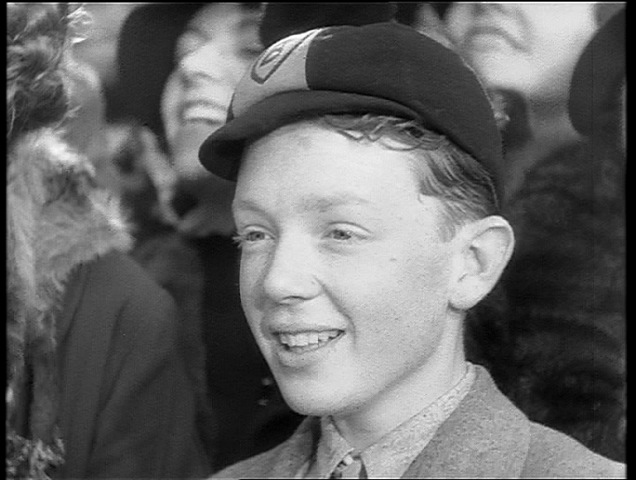
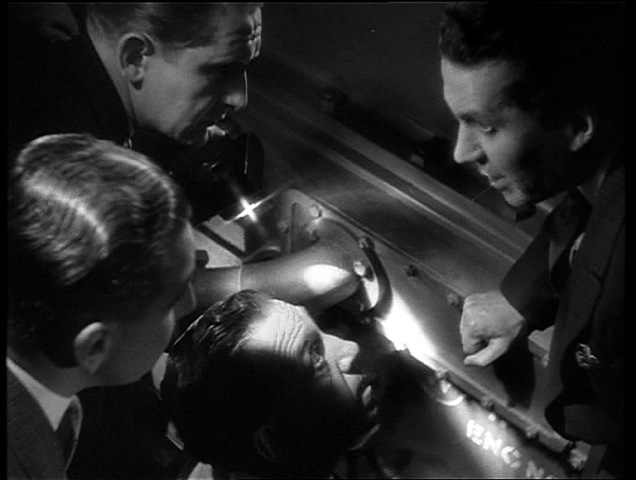
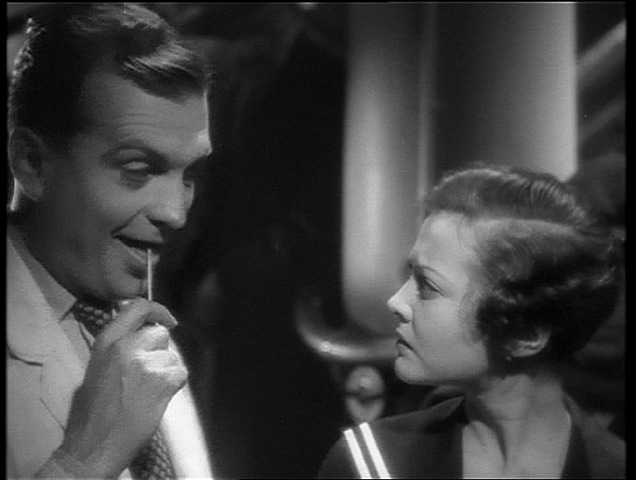

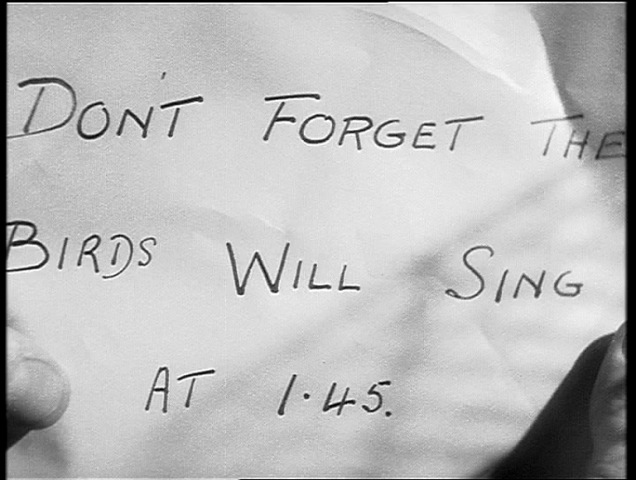
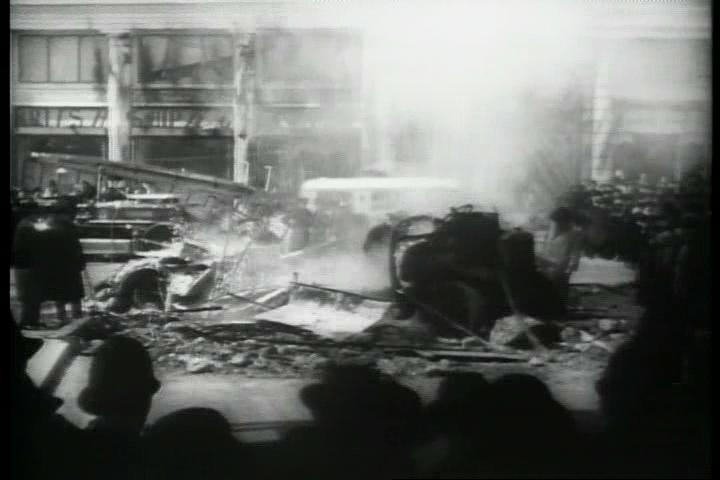
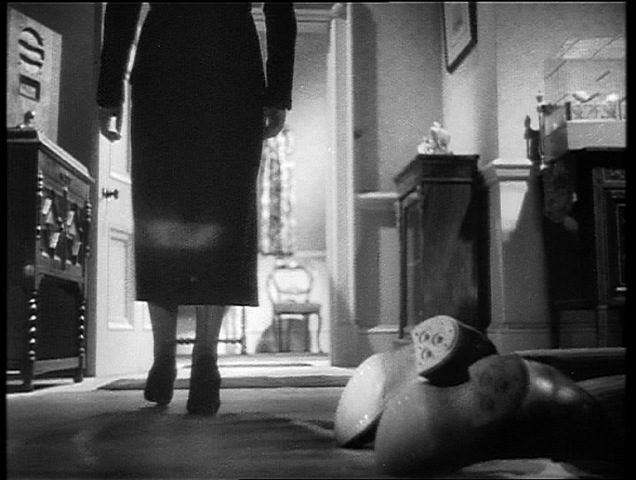
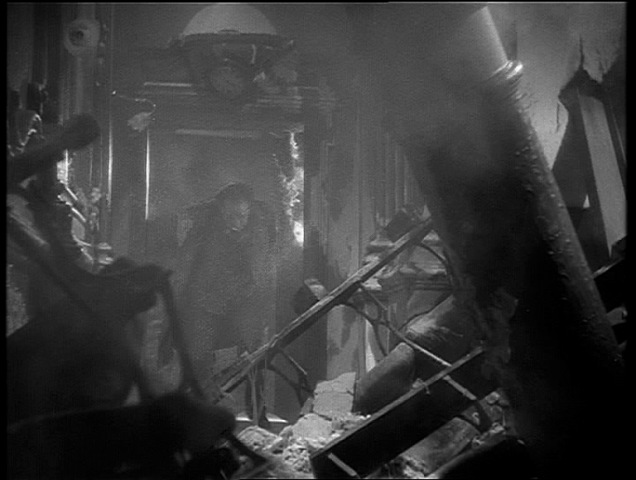
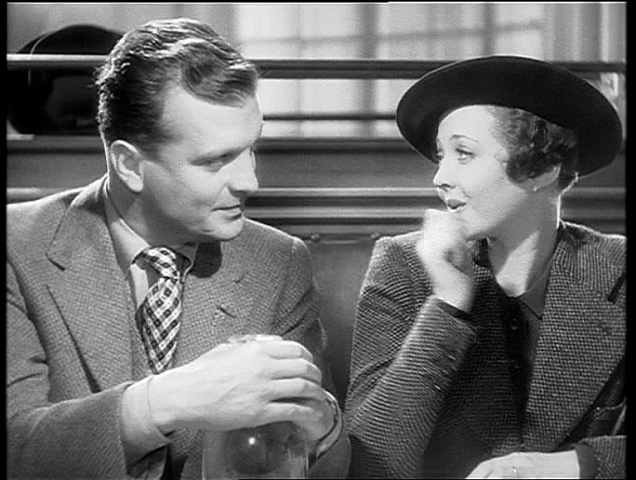


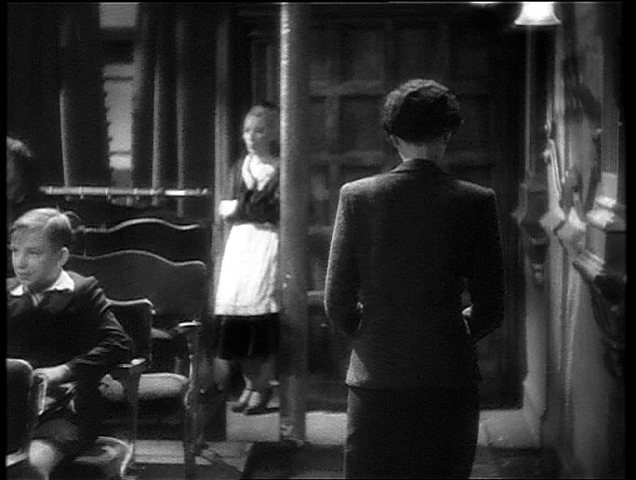

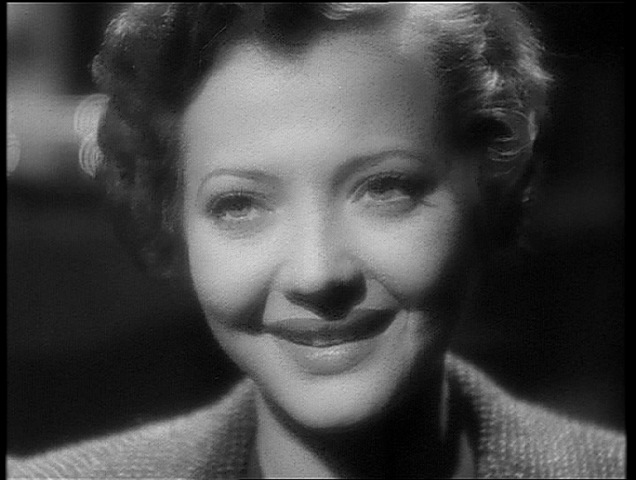


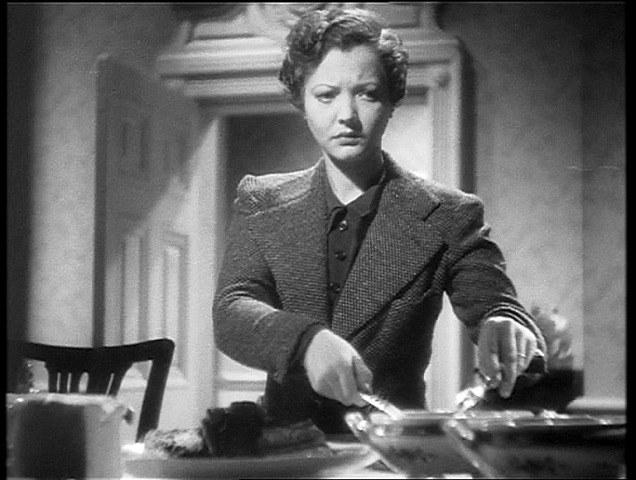


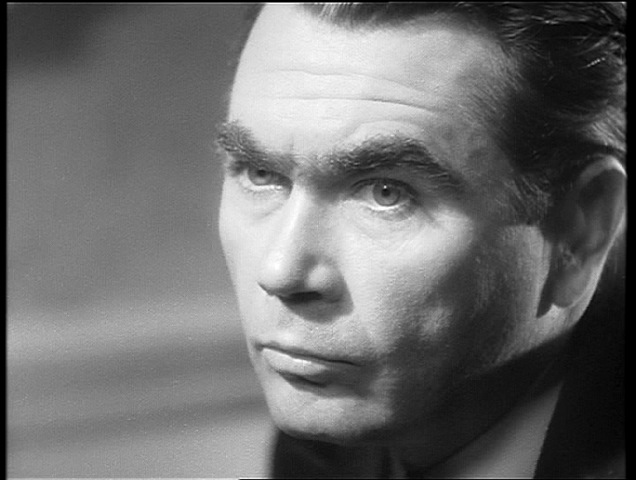
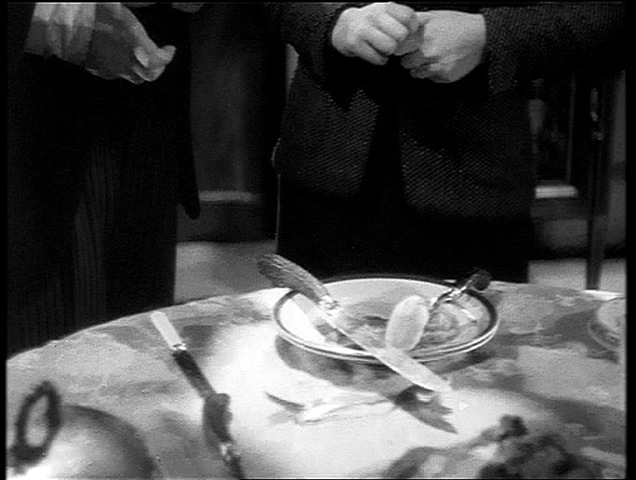


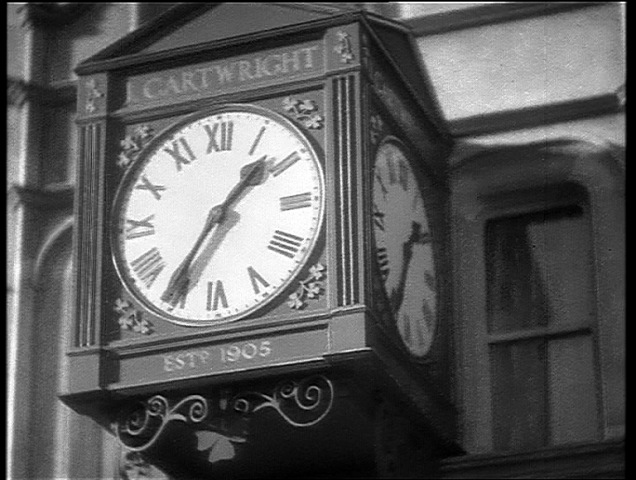

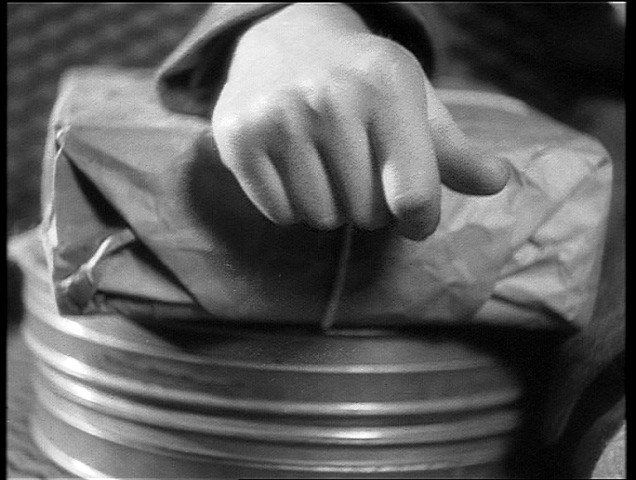


 The history of the development of cinema stretches back a few decades before the end of the 1800s. Movies have been telling stories for over a century. The world’s first feature-length film debuted in 1906. Nevertheless, the story of American movies effectively begins in 1915 with the release of The Birth of a Nation. With a run-time of three hours, it was nearly two hours longer than any other motion picture up to that point. It’s cost of $110,000 made it the most expensive movie ever made. The investment paid off, setting the bar for dreams of enormous box office receipts. The Birth of a Nation remained the highest-grossing film for the next 22 years.
 “We call him the Hairless Mexican. Chiefly because he has a lot of curly hair and isn’t a Mexican.”


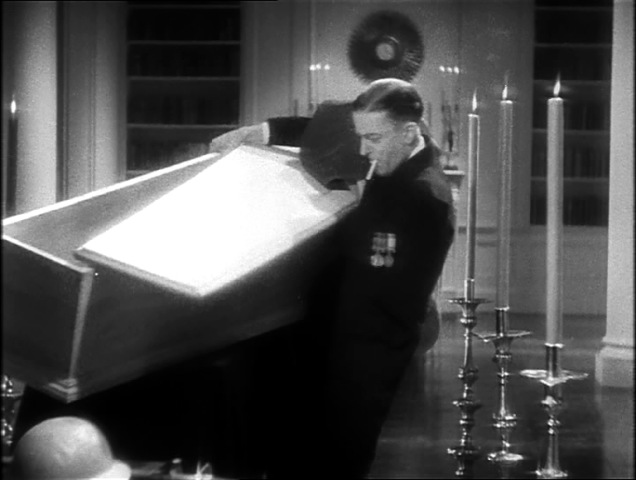


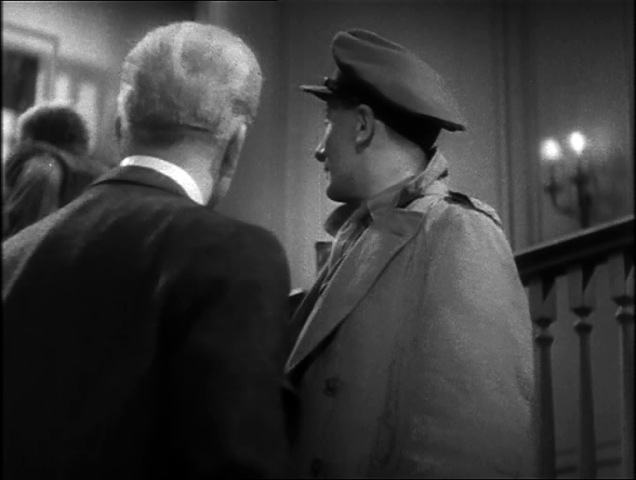


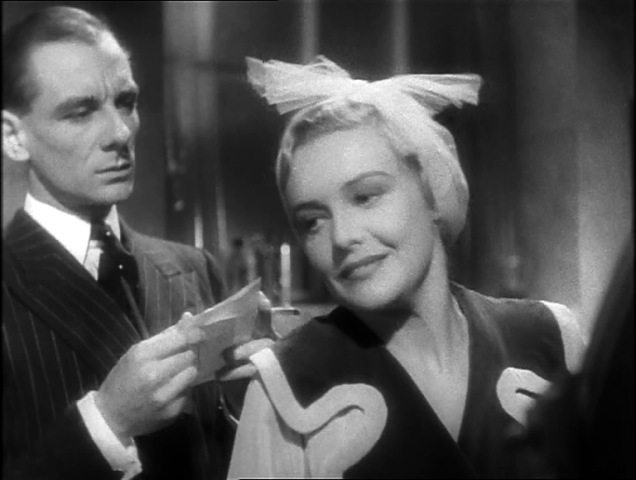

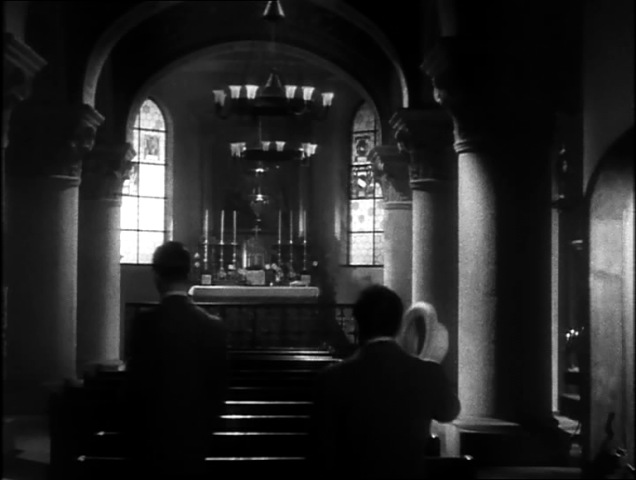
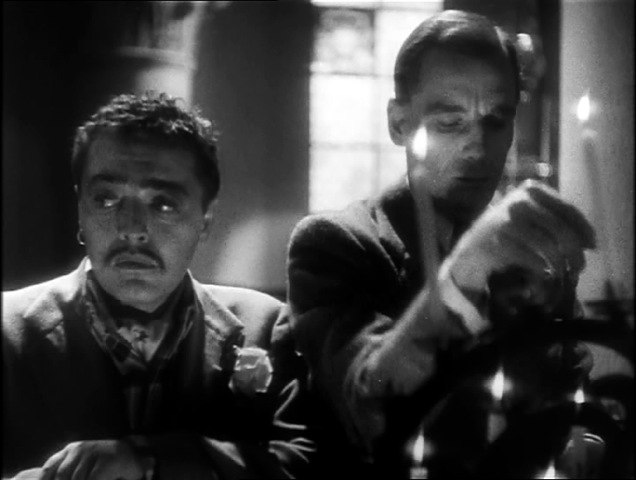

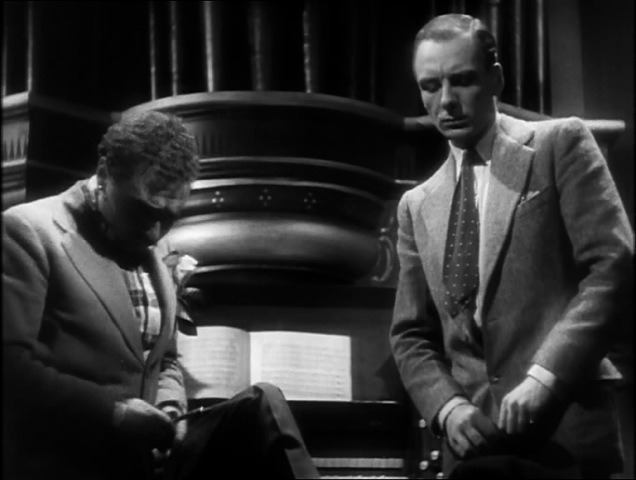


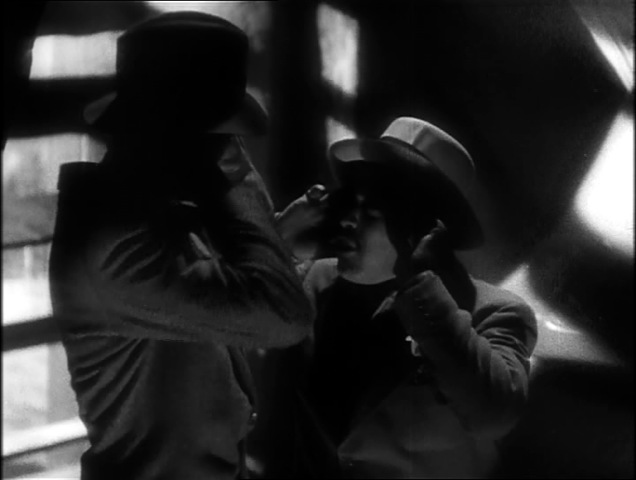

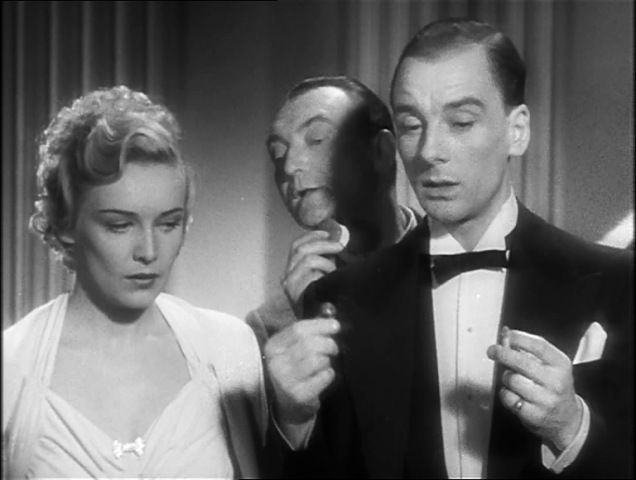
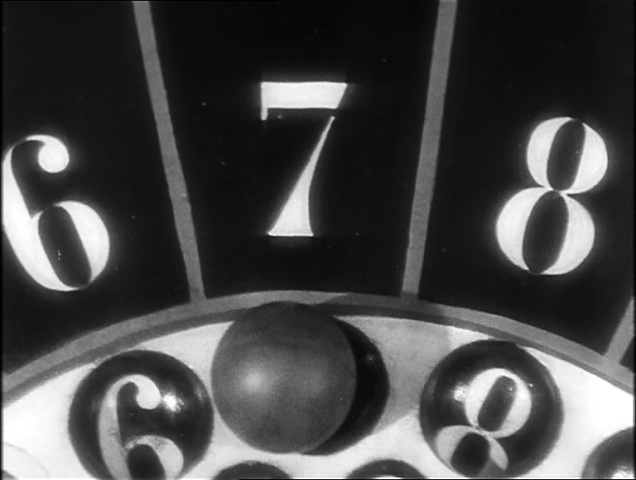


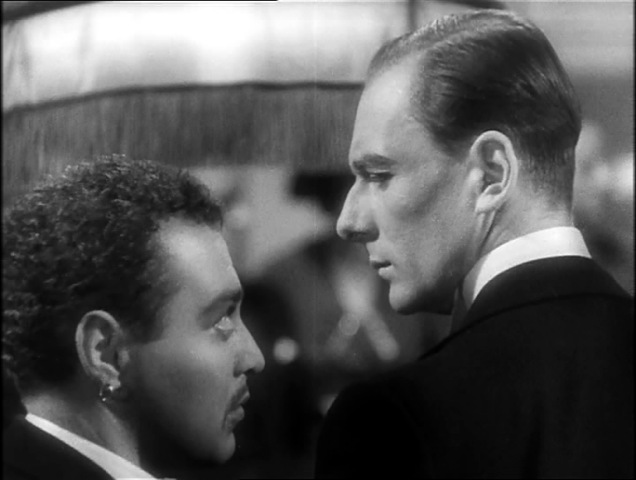

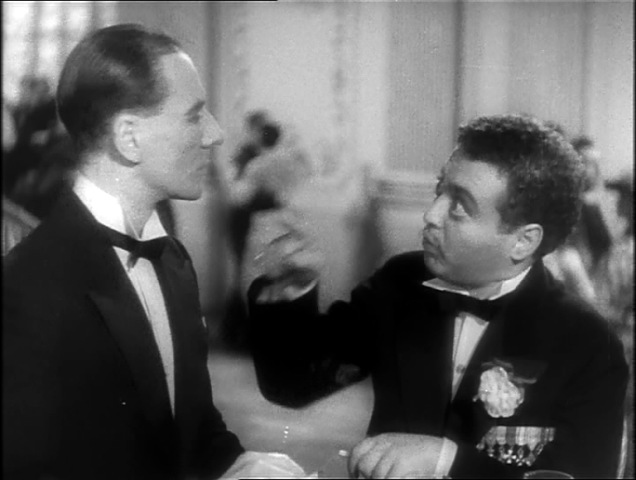
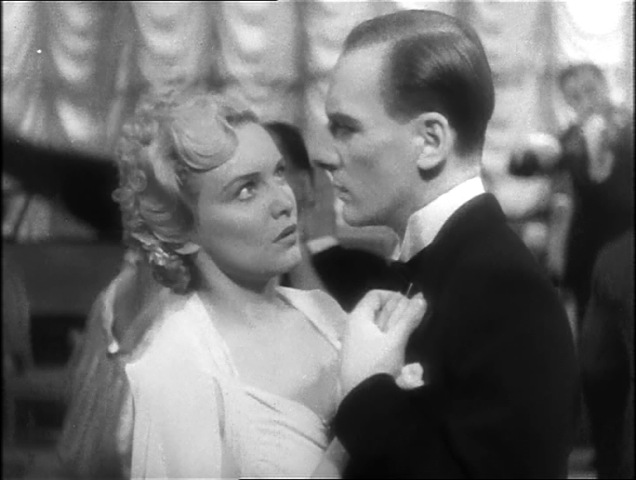
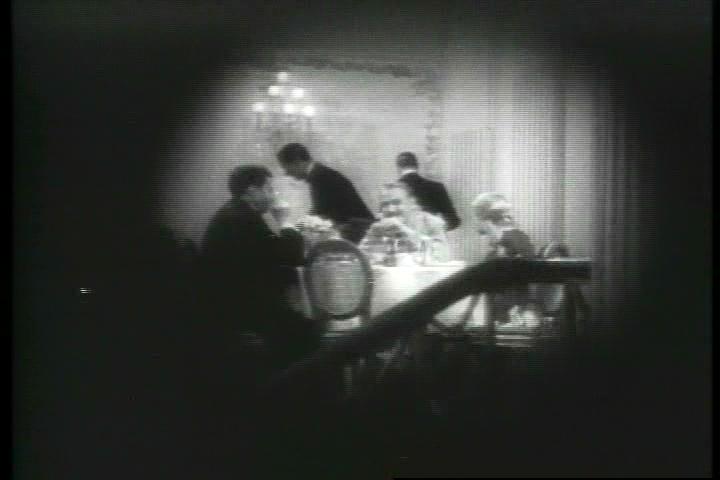
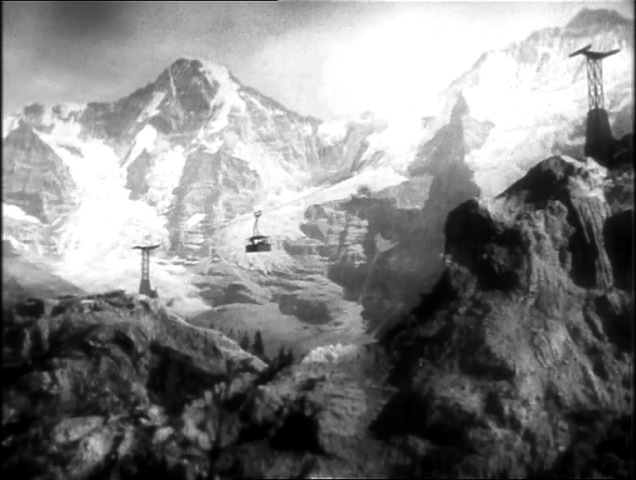

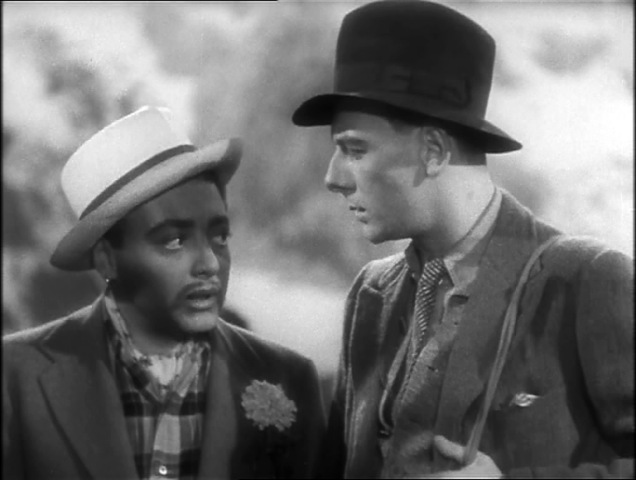
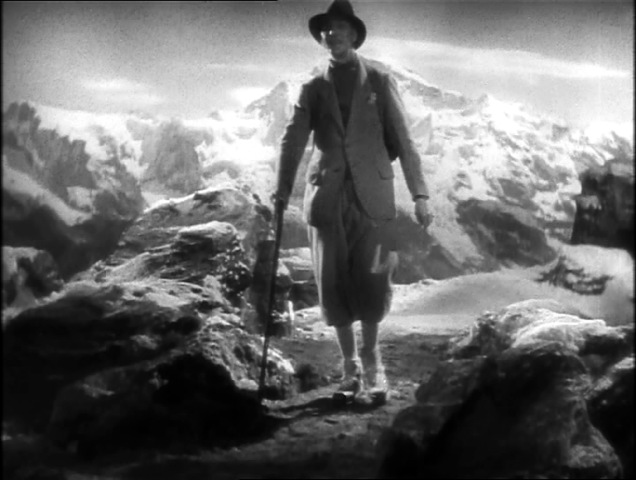
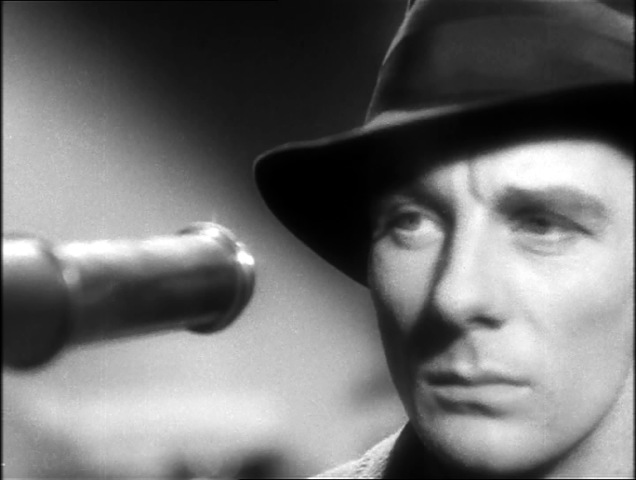

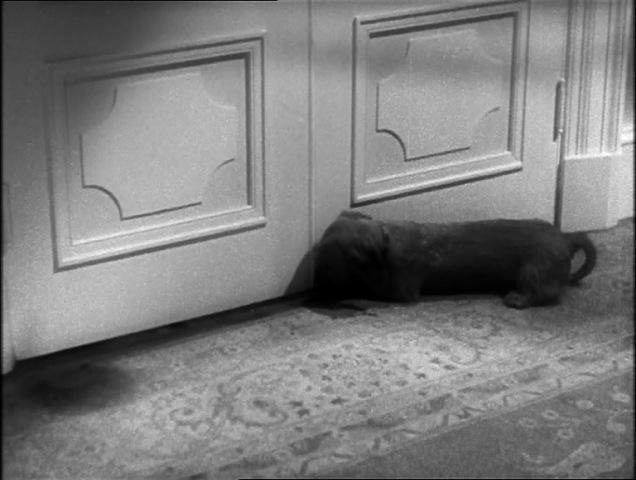
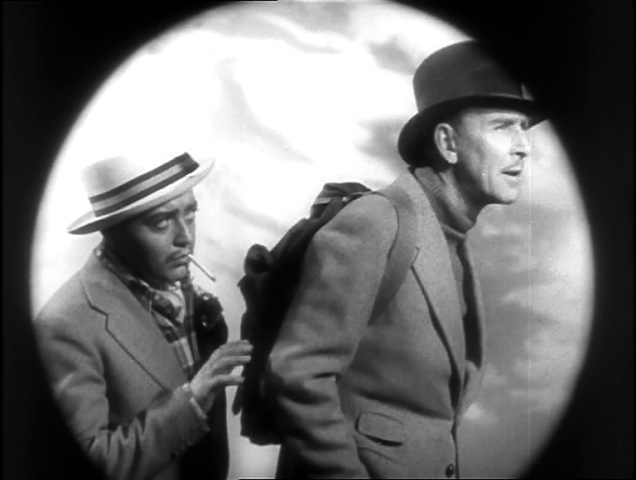


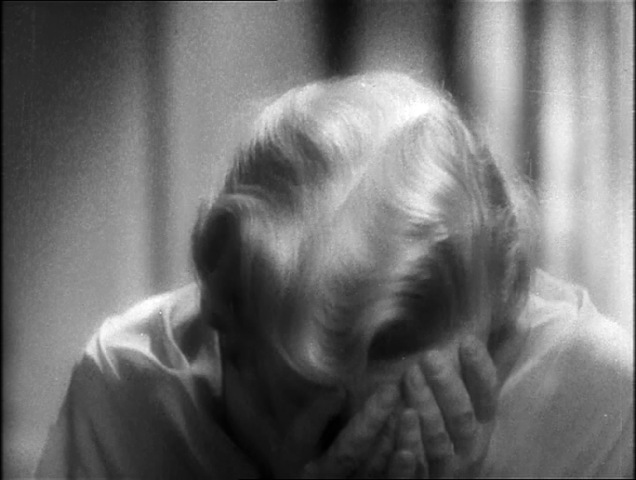
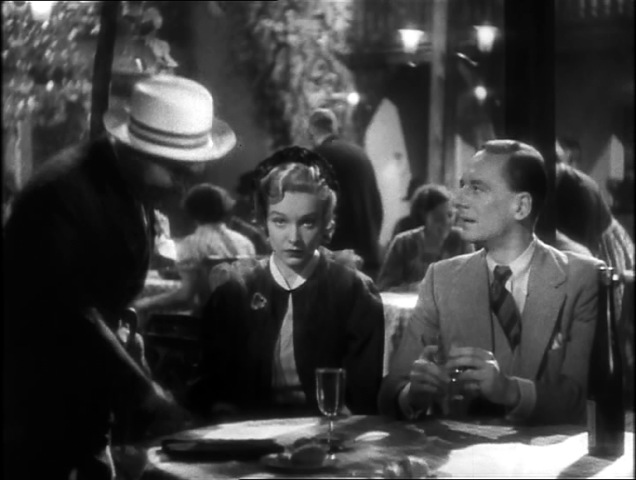
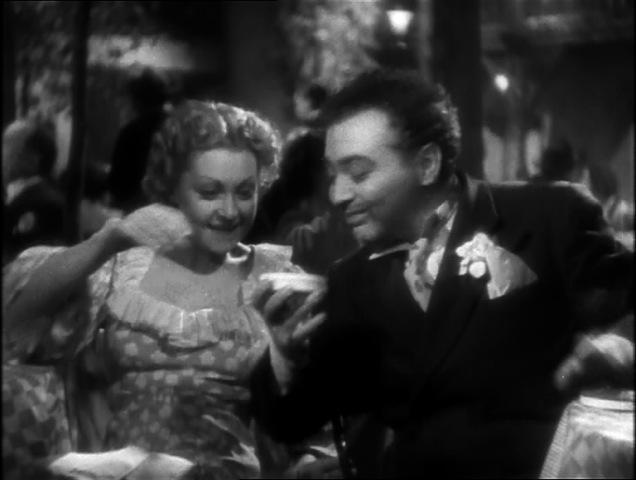

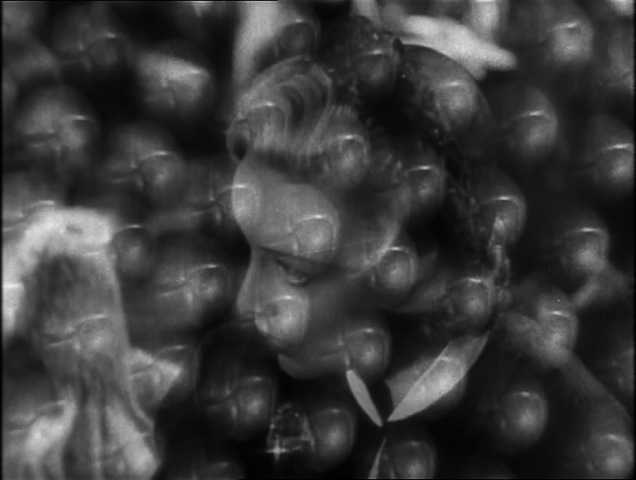


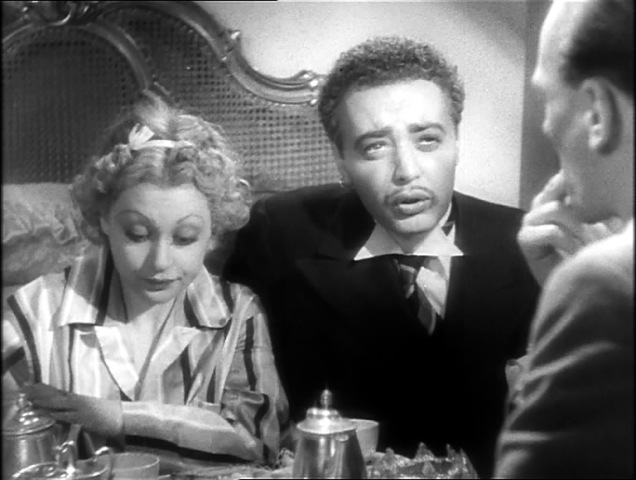


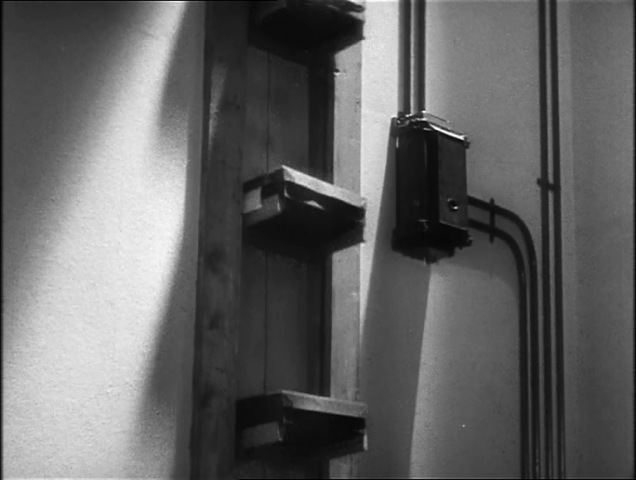


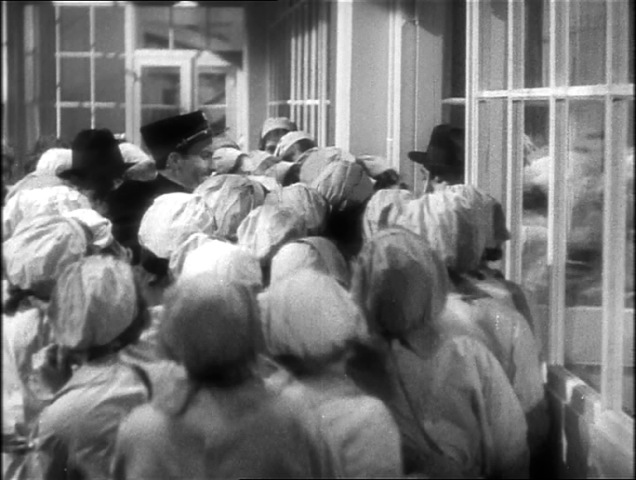
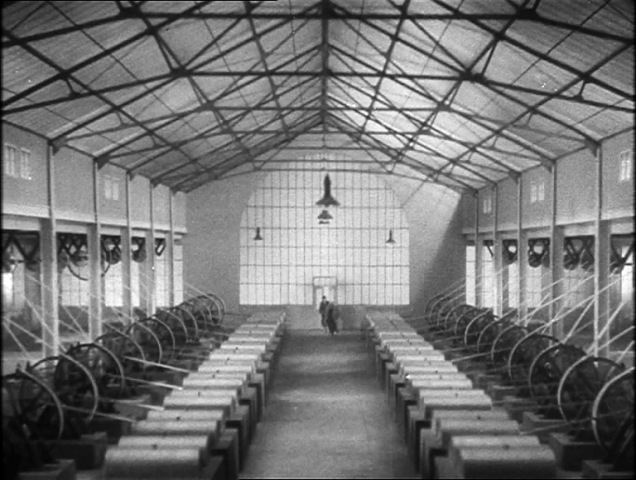


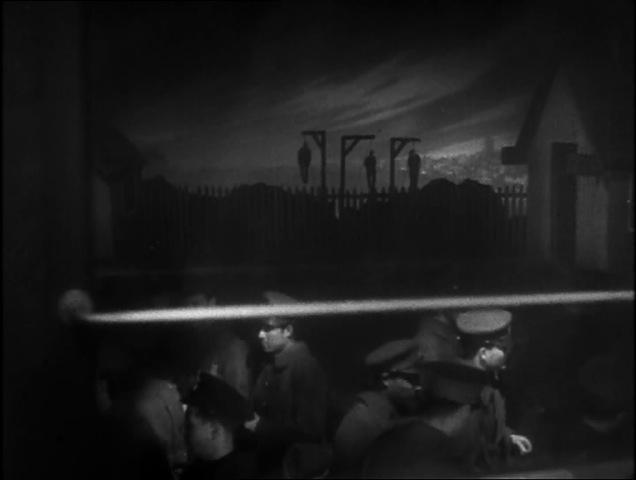


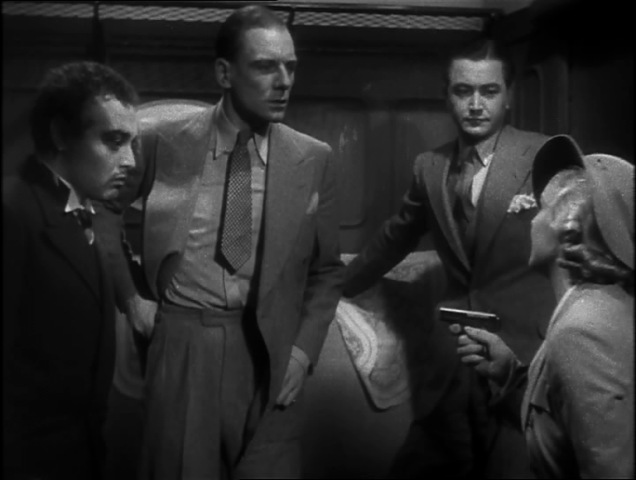

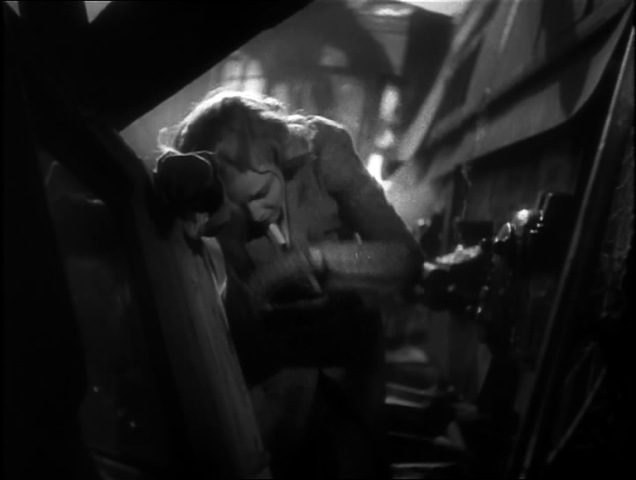

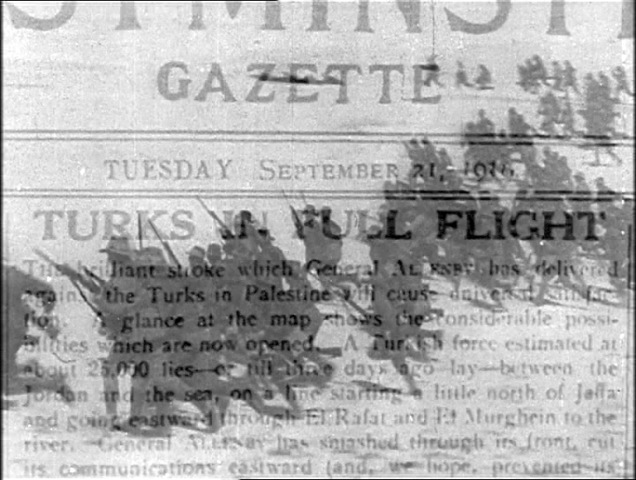

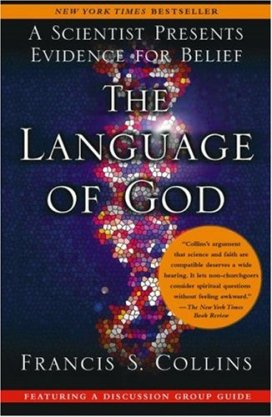
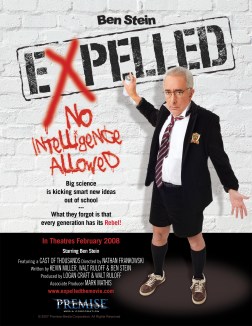 starring Ben Stein
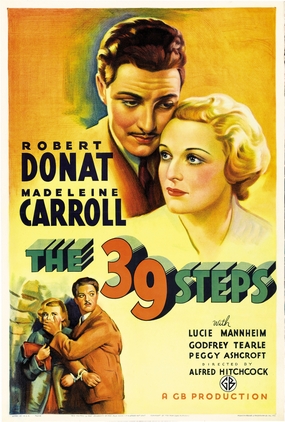 “Am I right, sir?”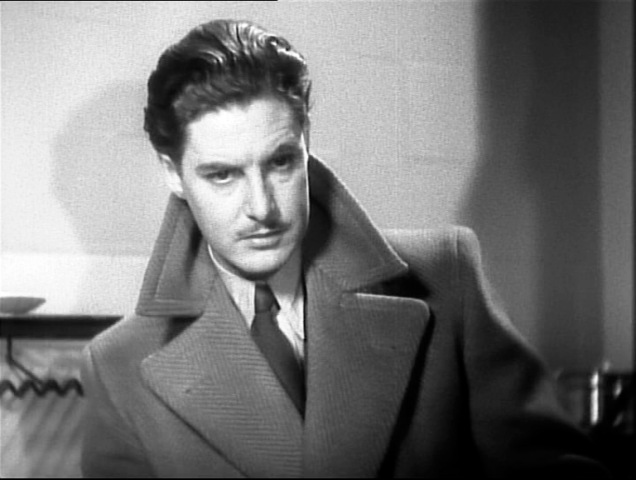


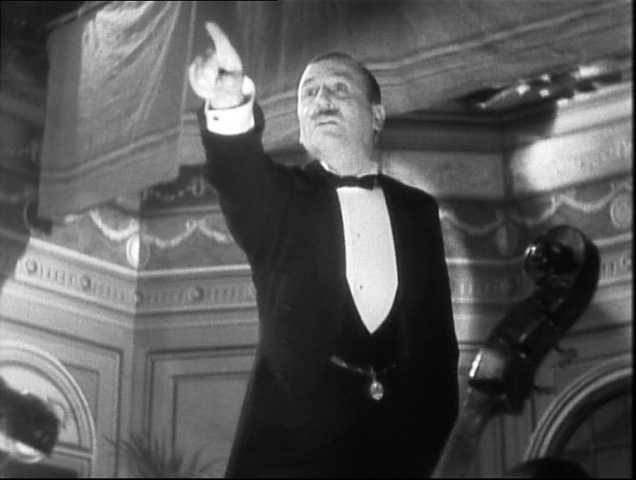


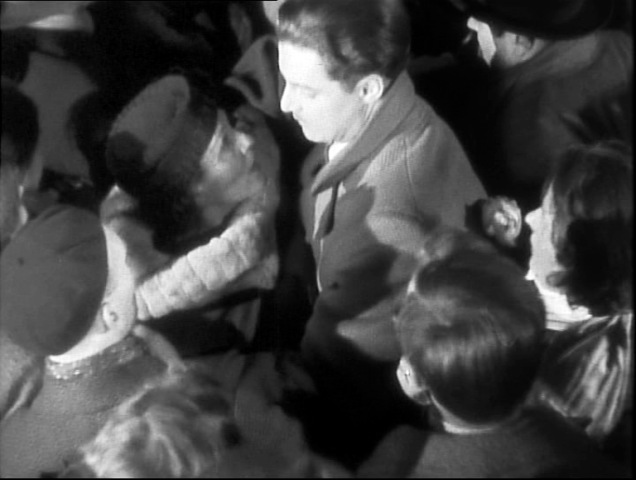
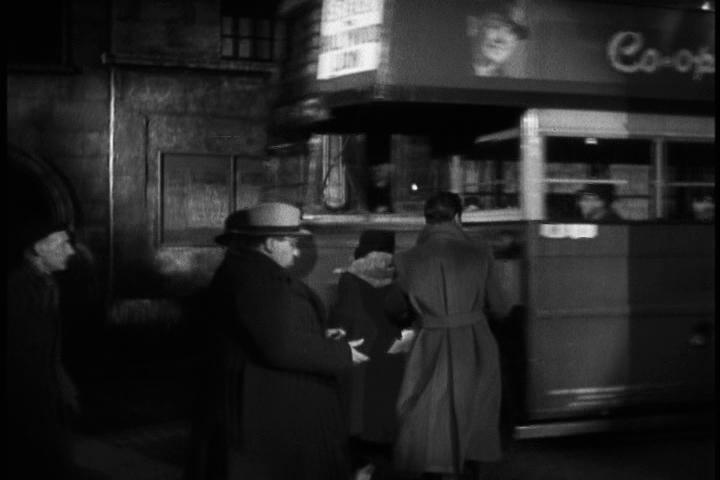


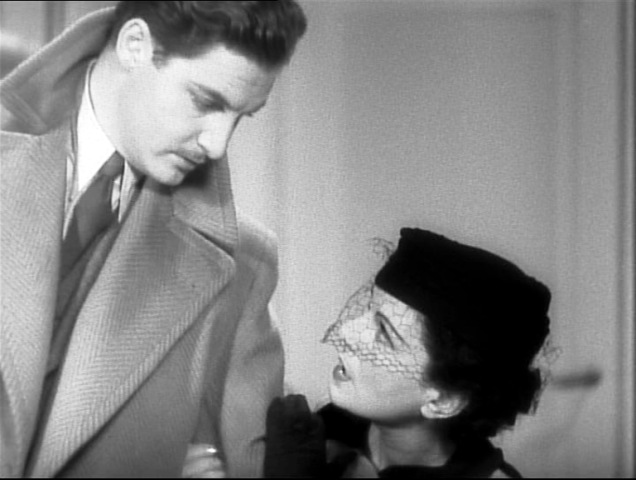


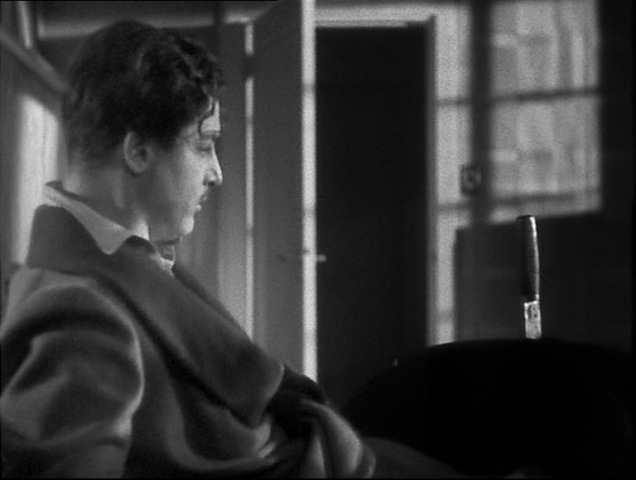

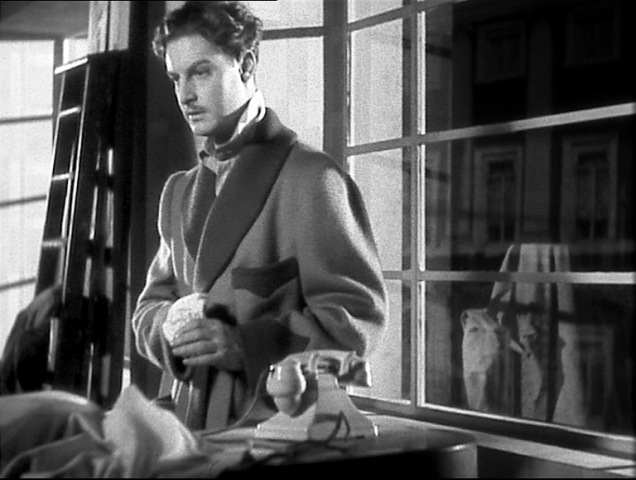

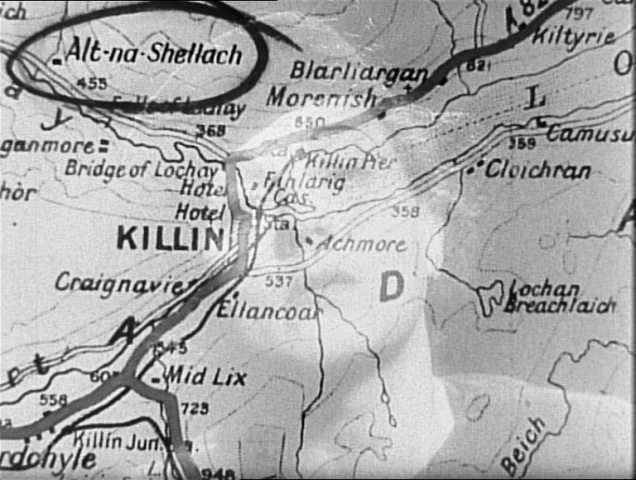


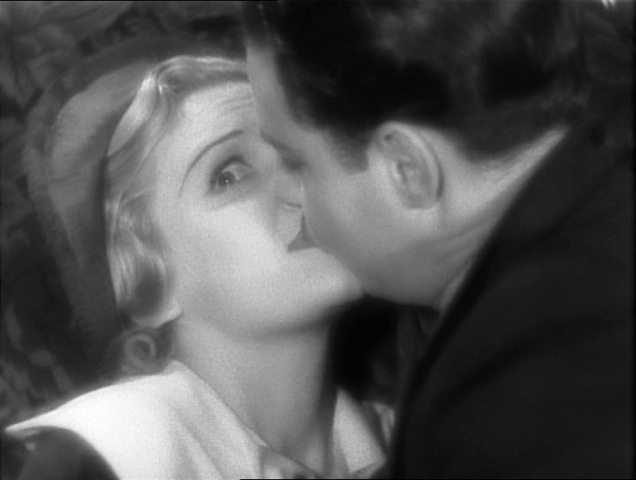
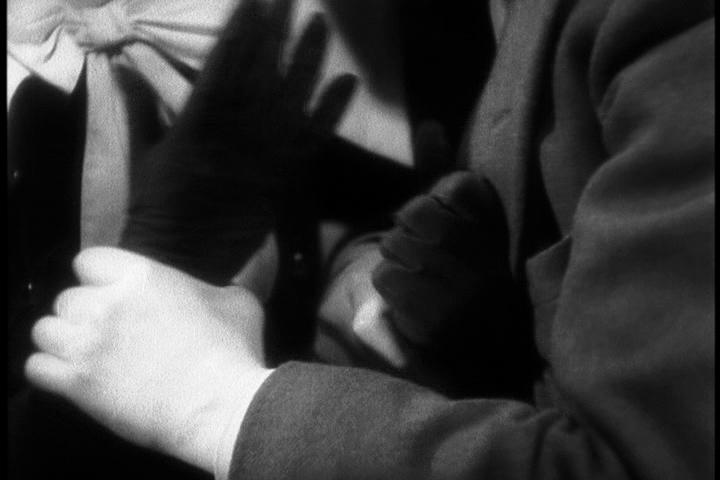
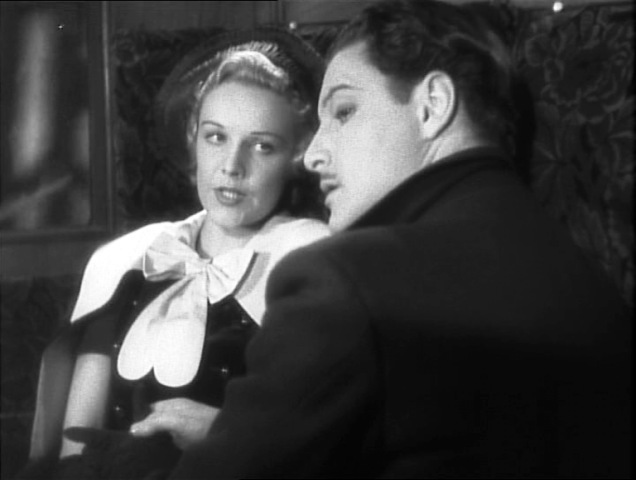
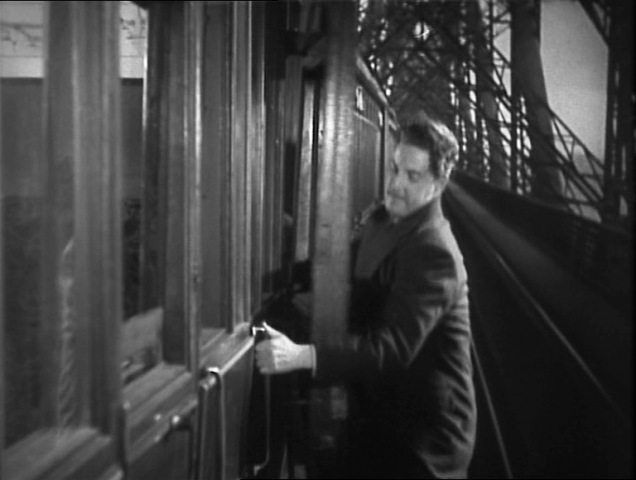


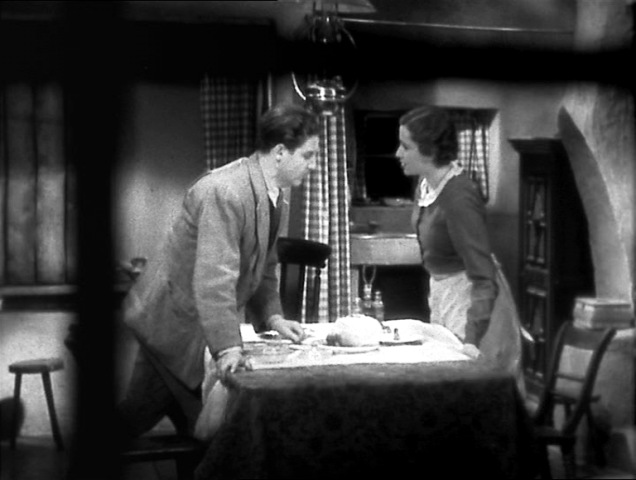
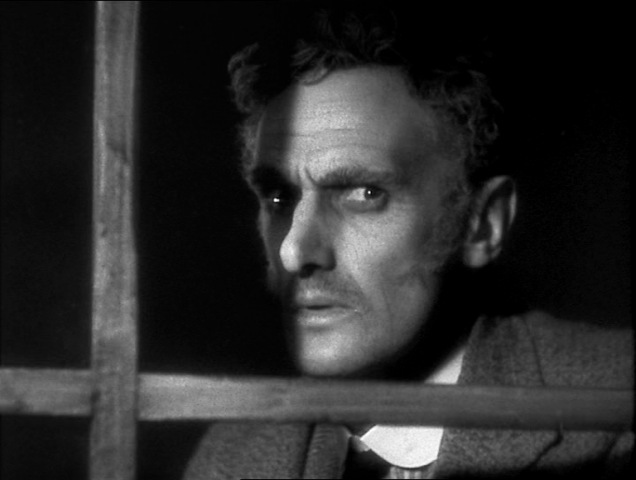


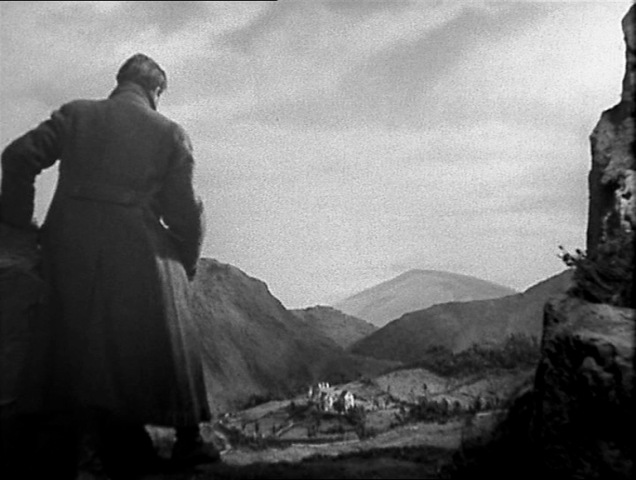
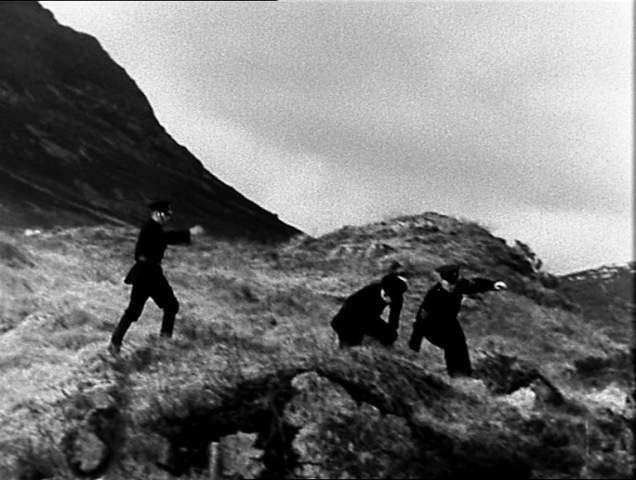

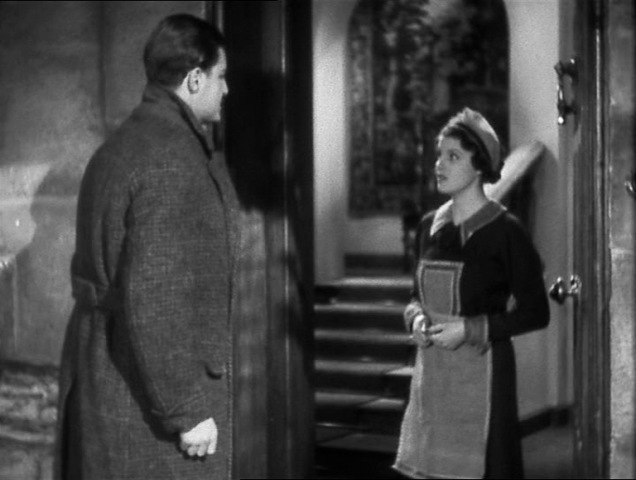


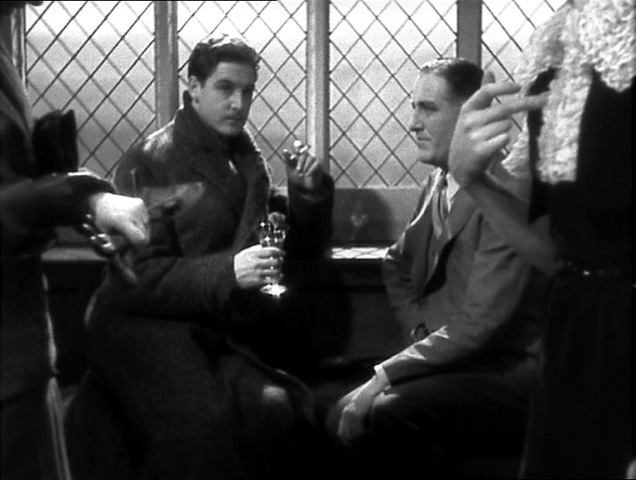
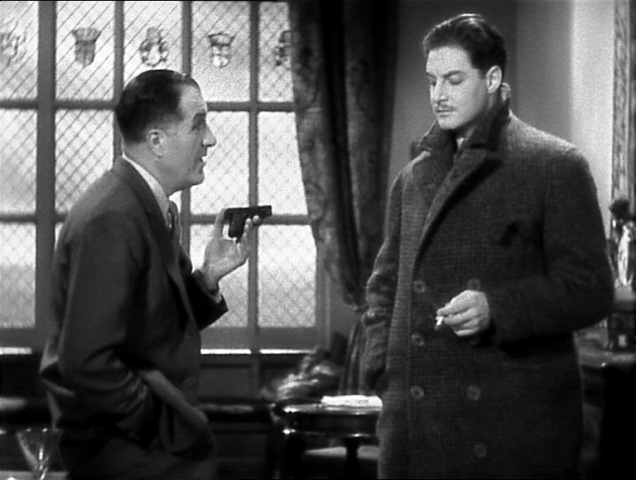


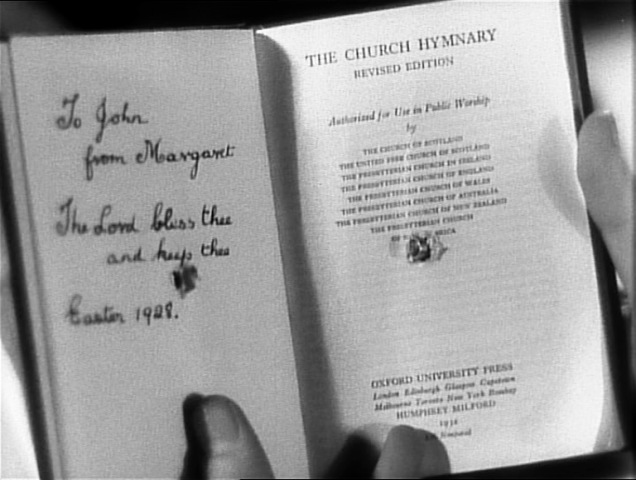


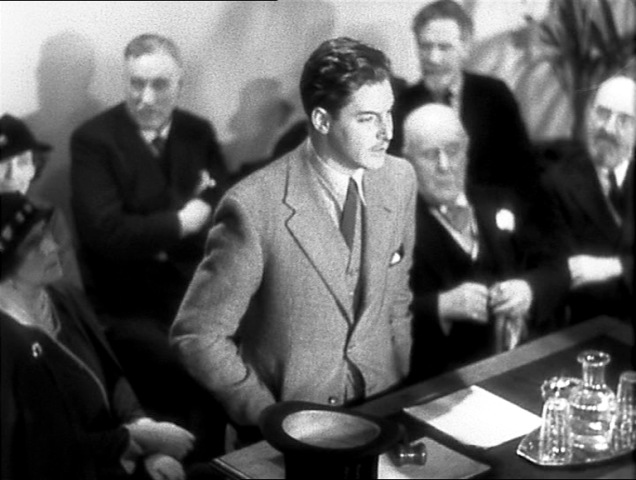



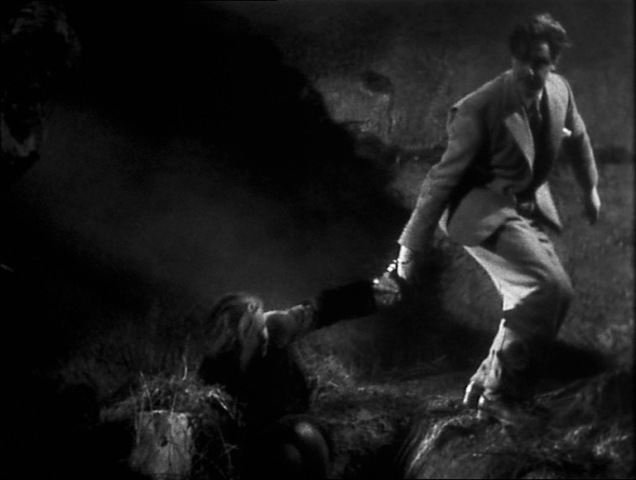


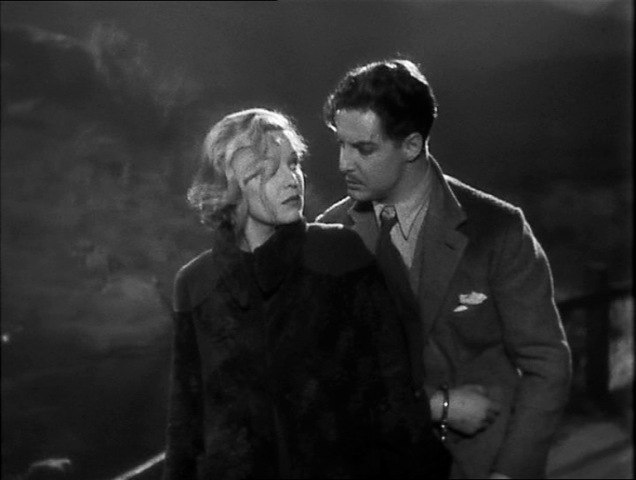

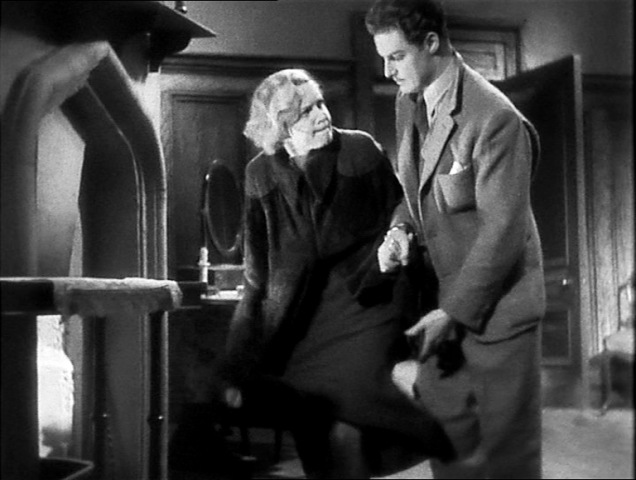
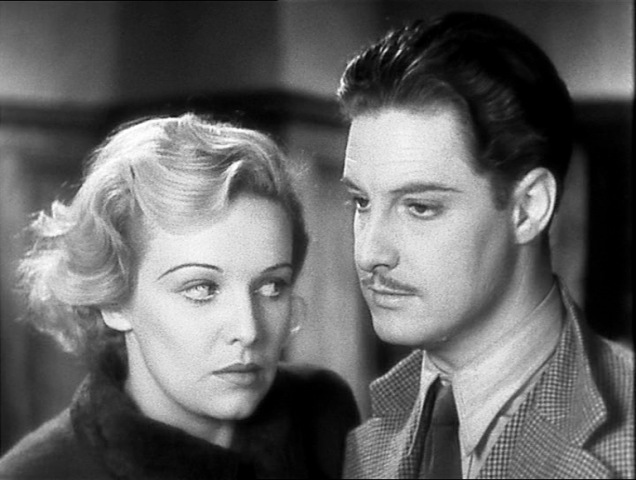
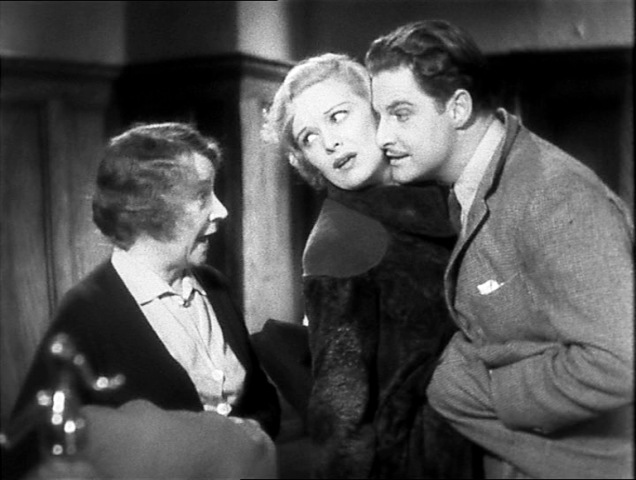
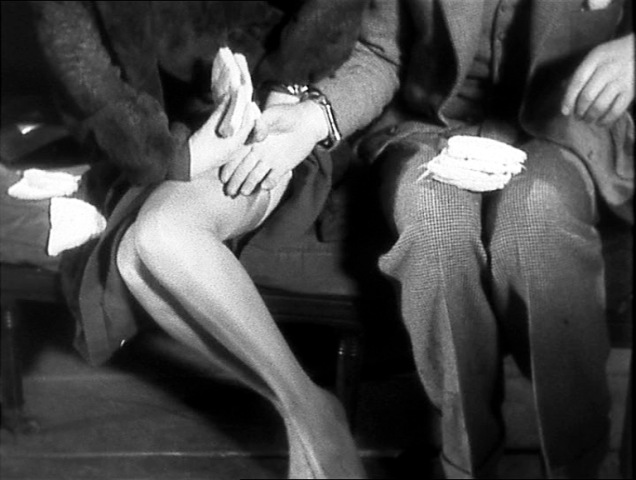

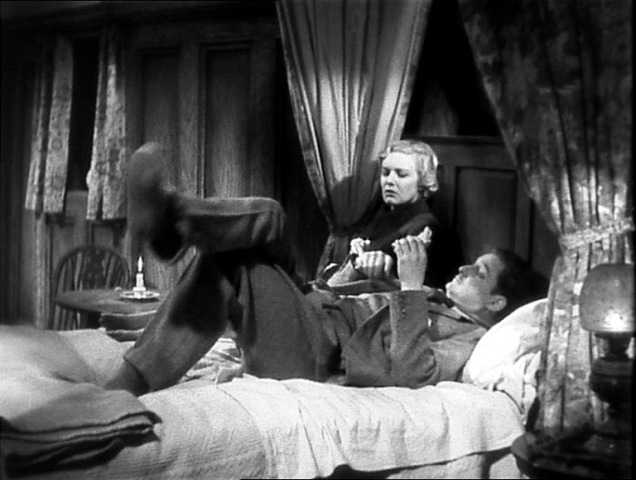
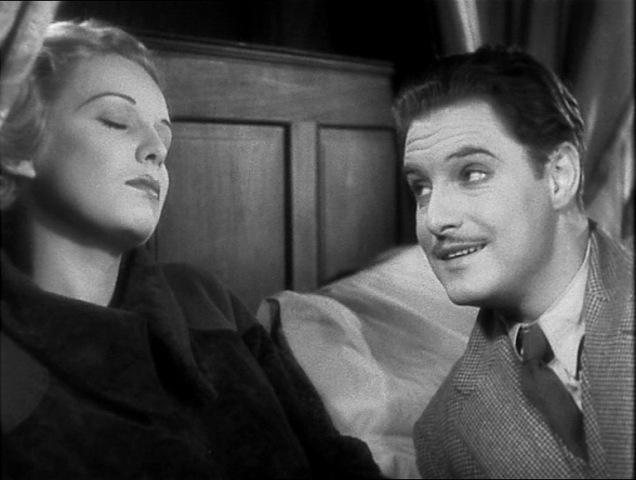
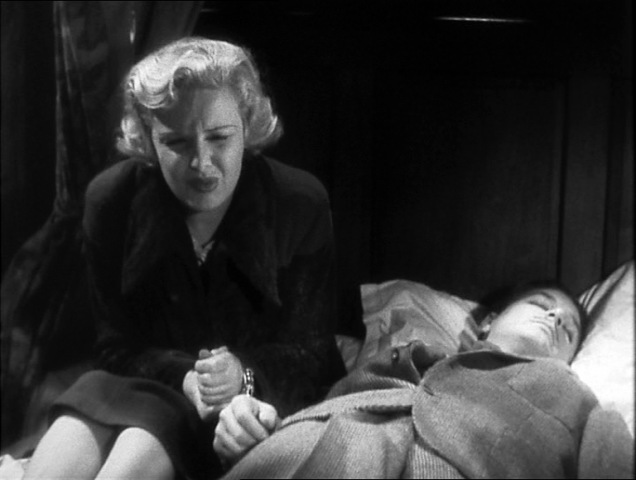

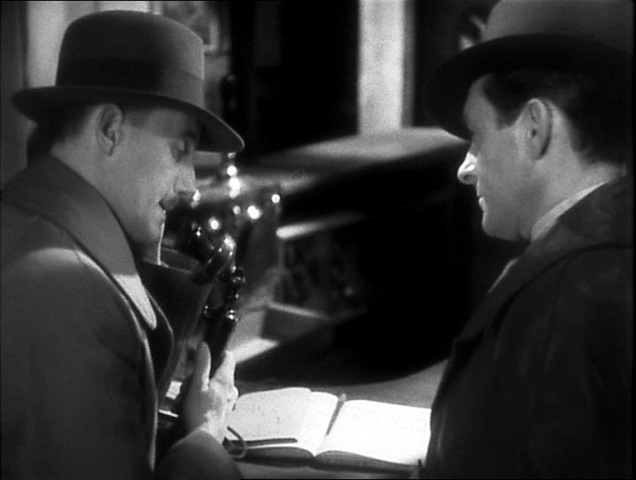


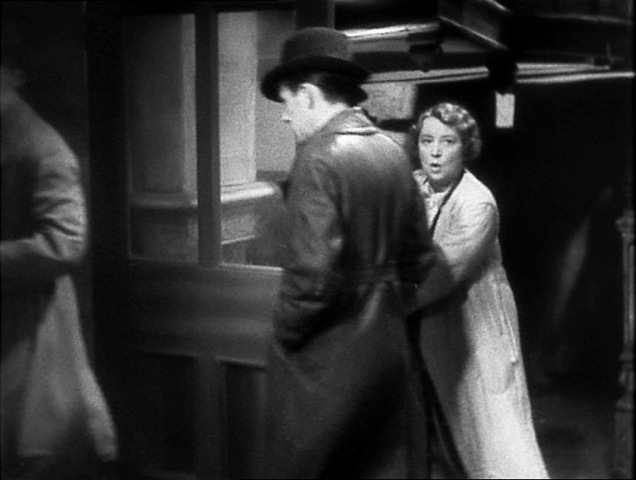


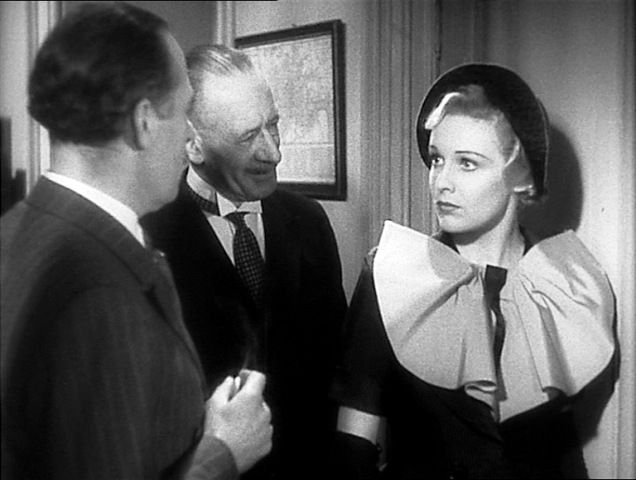
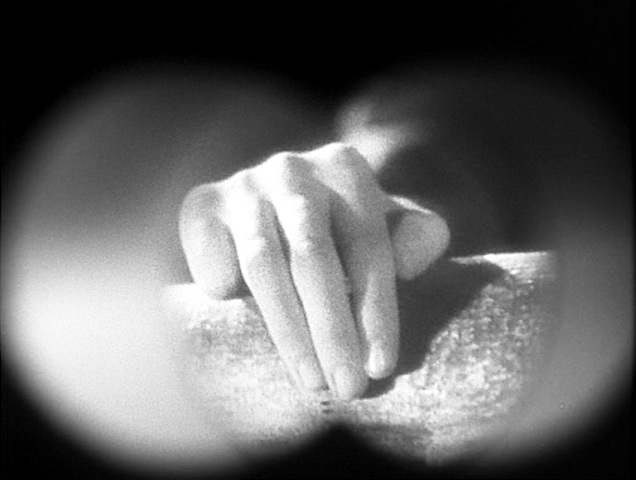


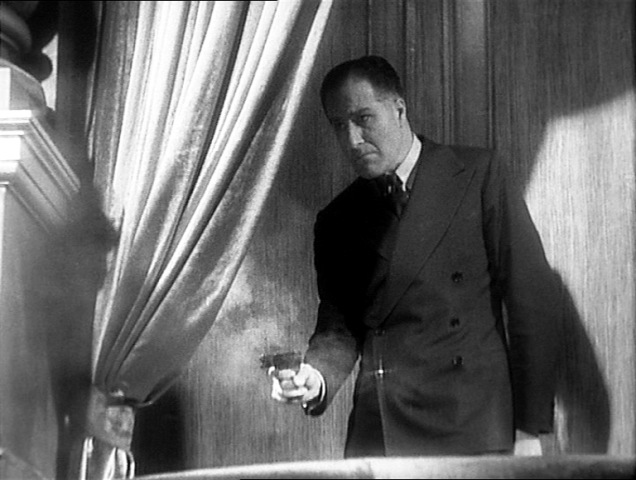


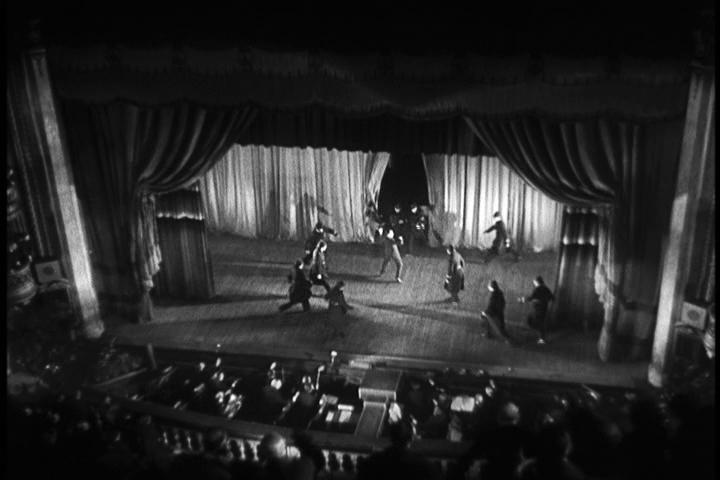
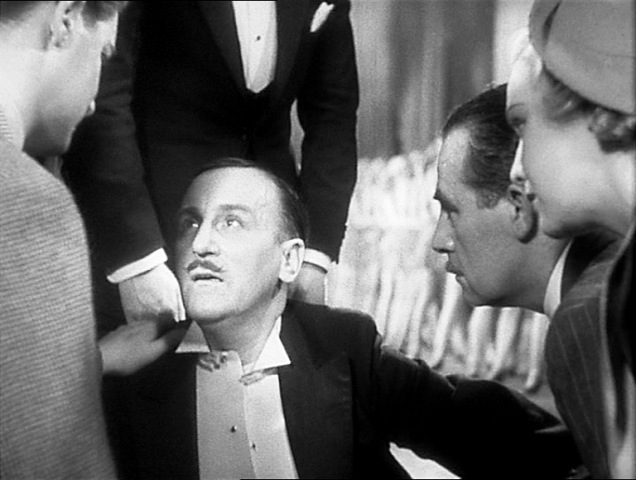


 Moviegoings