Film History Essentials: La Rosace Magique (1877)

•January 2, 2023 • Leave a Comment

(English: The Magic Rosette)

Summary:

A wheel spins, and suddenly, a rainbow of vibrant colors appears before you, and the hypnotic shape of a rose draws your eye as it pulls inward towards its center, only to be replaced by a new bloom following it down from the outer edges in an endlessly repeating pattern.

Essentials:

In the mid-1870s, Charles-Émile Reynaud was giving scientific lectures accompanied by magic lantern slides, a long-standing tradition of screen practice and one of several from which cinema emerged. That all changed when he had an idea for an improvement on the zoetrope that he would ultimately patent as the praxinoscope. Reynaud’s invention replaced the slits, through which the zoetrope’s illusions of moving images appeared, with a series of mirrors that brought the simulated animation into the center of the device, and could even be modified to project it onto a screen. This early piece of proto-animation is particularly beautiful in its kaleidoscopic abstractness. Almost no one would say “color” comes to mind in association with early moving pictures, and yet this 145-year old piece of art is alive with glorious shades of red, yellow, blue, etc. It shows that moving images don’t have to tell a story, or even be terribly sophisticated, to be enchanting.

Screening:

It will take no time at all to watch this several times in a row and lose yourself in the swirling colors and intricate patterns, the mathematical precision and creative imagination of its maker.

Film History Essentials: Passage de Vénus (1874)

•January 1, 2023 • 3 Comments

(English: Passage of Venus)

Summary:

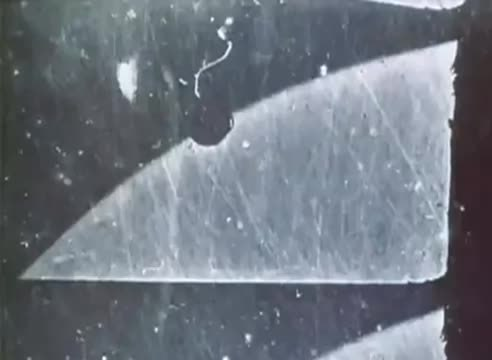
A series of a few dozen photographs show the transit of the planet Venus as it passes between the Earth and the sun.

Essentials:

On 9 December 1874, Venus passed directly between Earth and the sun for the first time since 1769, and it was kind of a big deal. The passage is an extremely rare occurrence. It happens twice, eight years apart, followed by a gap of over 100 years. The transit would happen again in 1882, and then return in 2004 and 2012. The next pair of transits will occur in 2117 and 2125.

Historically, the transit of Venus has had great scientific importance, providing observers with a variety of opportunities for research, refining measurements, and calibrating equipment. This was the first transit of Venus since the invention of photography. At least 60 known groups and individuals from all over the world, some privately-funded, set up observation points throughout the eastern hemisphere to observe and record the event. There were observers from the United States, France, England, Russia, Germany, Italy, Austria, Holland, Australia, and Mexico.

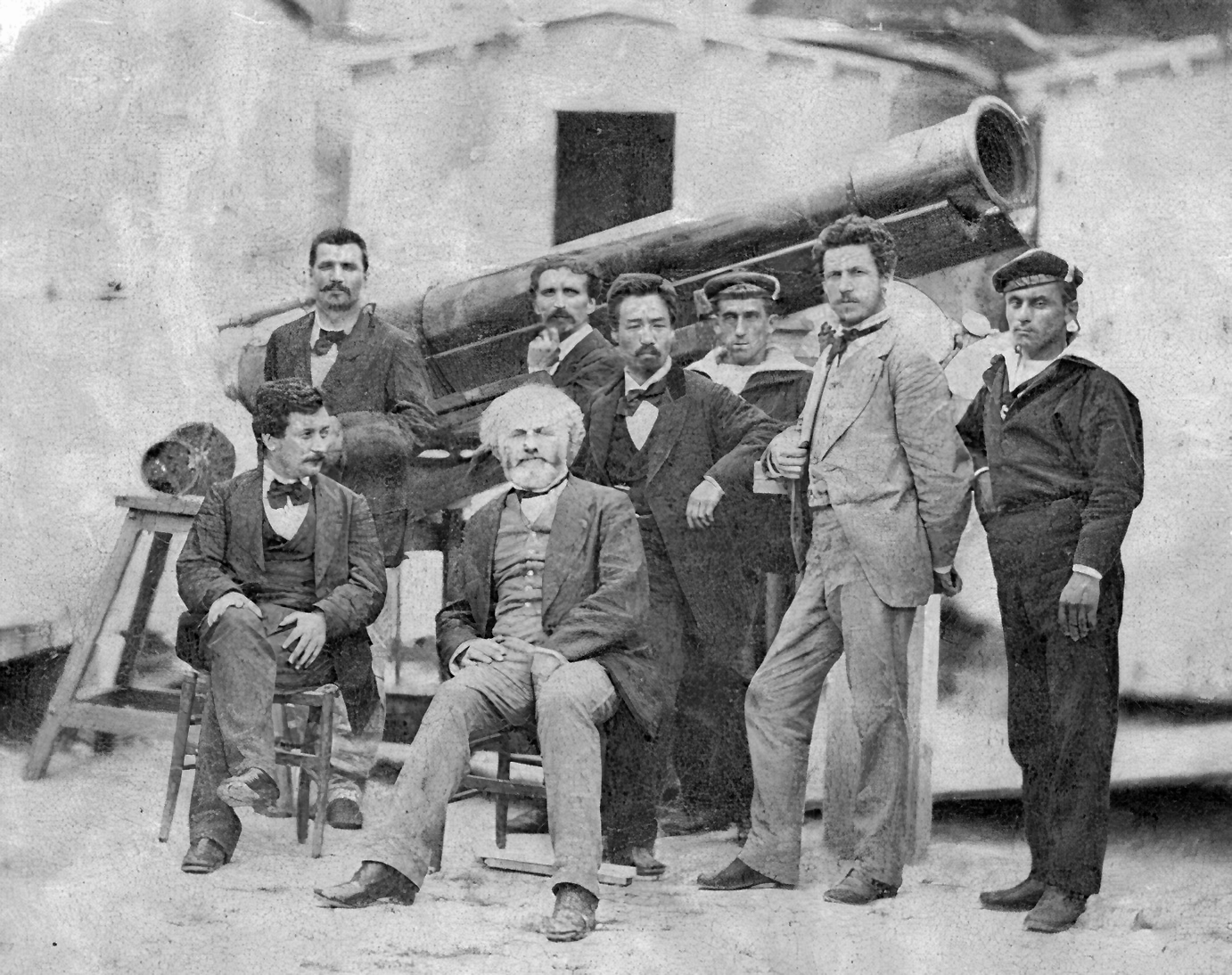
The Nagasaki expedition: Janssen is seated in the center, with Almeida standing second from right, and the revolver behind.

The series of photographs from Passage de Vénus was taken in Nagasaki, Japan by French astronomer Pierre Jules César Janssen and Brazilian engineer Francisco Antônio de Almeida Júnior. They used a device called the “Janssen revolver,” operated by Almeida (and developed, of course, by Janssen). The design, inspired by Samuel Colt’s famous repeating handgun, involved two discs rotating in front of a sensitive plate (also rotating) in such a way as to create a series of sequential photographic images that were reflected down from the lens in the revolver’s barrel. The Janssen revolver could record up to 48 images at a rate of one every 1.5 seconds.

Although it wasn’t as useful as he had hoped in gathering the data the expedition needed, Janssen’s invention was important to the development of chronophotography. One of the many precursors of cinema, chronophotography originally developed as a means of scientifically studying various types of motion by taking a sequence of photographs of a subject in action. Janssen presented his device before the Société Française de Photographie the following year, and soon others would take the application of similar devices further than Janssen could have imagined.

There isn’t one firm date that everyone can agree on as the definitive birth of film, though it certainly wasn’t in 1874. Cinema emerged gradually over a period of several decades, evolving out of a variety of artistic traditions, and advancing through many technological innovations in many different countries. Early film histories often look back several centuries at forms of “pre-cinema” such as shadow puppetry and magic lantern shows, that were in use long before even the invention of photography.

Passage de Vénus belongs to this era of pre-cinema. It was not the first film ever made. By any reckoning, that came much later. Technically, it’s not a motion picture at all, and was never conceived as one. It’s just a sequential series of photographs depicting an event. It is, however, the oldest entry in the best-known databases of films online, and modern viewers can now watch it as though it were a motion picture. The images taken by Almeida and Janssen have been strung together to create an animated view of Venus passing in front of the sun way back in 1874. Well, sort of.

Screening:

These images were produced nearly 150 years ago and they do simulate an image from 1874 in motion when passed before the eyes of the viewer. That much is true. However, even though the transit of Venus was successfully photographed by the expedition, none of those plates are known to have survived to the present day. What we have instead appears to be a set of test images taken of a model. It seems that, from the very beginning, motion photography was an art of illusion. There’s something decidedly poetic and strangely appropriate about that.

As the quote at the top of this page says, “A film is a petrified fountain of thought.” There is something genuinely remarkable about witnessing these images from so far in the past, frozen in time, but moving before our eyes. Let this sequence play through a few times (after all, it’s only five seconds long), and think about how it bridges the vast distance between us and the world of the people who made it. Think of all the many people who have seen it across all of the years since it was photographed, and think of the many viewers (perhaps even more!) yet to come.

Going Back to the Movies

•May 18, 2021 • Leave a Comment

On February 8th, 2020, I went to see 1917 at my local theater. I didn’t take any special note of the occasion at the time. It was the day before the Oscars and I was in the midst of catching up on the nominees for Best Picture. I had no reason to suspect as I walked out that I wouldn’t be back inside of a movie theater for over 15 months.

I’m sure this isn’t my longest hiatus ever. My parents were never big moviegoers, so when I was very young it’s quite likely that I went much longer without seeing a movie on the big screen. But I certainly wouldn’t have felt the lack of it at the time, and this is definitely a personal record many times over calculated from when I started taking myself to movies. I hope I never break it.

It’s been a long, weird year-plus for all of us, and much worse things have happened in the world than my not being able to go see a movie in theaters. Nevertheless, in addition to this being yet one more reminder that things were Not Normal, the pandemic has obviously been incredibly disruptive, even devastating, to the entire movie theater industry.

At this time last year, there were two first-run multiplexes in my town, plus a small downtown theater with three screens and full dine-in service and a reasonably nice dollar theater. Today, the dollar theater and the downtown theater have permanently closed, and one of the two multiplexes is closed with an undetermined (and perhaps unlikely) reopening date. The last theater standing is only open for a few hours every evening during the week . . . Just long enough for a single screening of most of the films they are showing.

Things aren’t completely hopeless; another first-run multiplex is currently under construction here and will hopefully open within the next year. But the local movie scene has been dealt a crippling blow, and I don’t know when or if it will recover to anything resembling what it was like before COVID-19. I stayed away because it was the responsible thing to do, but this was the cost. I don’t regret that decision, but I am filled with sadness by the results of it.

So it was with very mixed feelings that I drove to the movies tonight and settled into my usual spot with a tub of popcorn and a large soda. I’ve been fully vaccinated since the beginning of April, and I noticed a day or two ago that I was about to log my 4000th film on Letterboxd, and I immediately knew that I wanted to mark the occasion with a return to the theater. I was excited, thrilled even, to park in that familiar lot and walk through the doors into that lobby once again. I can’t single-handedly keep a movie theater open, but I want to support its continued existence nonetheless. That’s been on my mind for months, particularly each time I watched a movie at home that I would normally have seen at a theater first. I hope that others like me are starting to trickle back as well.

Despite my excitement, there was an almost funereal atmosphere once I got inside, and I found myself feeling somewhat subdued. There were only 2 other moviegoers in evidence when I arrived, contemplating the menu board. Everywhere I looked there was another sign of a facility limping along and only partially operational; most of these were literal signs, declaring various areas to be out of operation or reminding patrons of the masking and social-distancing policies. I picked up my mobile concession order and went to find my screen. There wasn’t anyone to direct me, and in fact no one checked my ticket (or whether I was lying about my order, for that matter).

The first trailer was already rolling when I walked in, but the theater was empty. A few minutes later, the couple I had passed on my way in took their seats, and another couple arrived shortly after that . . . So five of us for tonight’s showing. And to be perfectly honest, that wouldn’t have struck me as very unusual on an average weeknight pre-pandemic (although Tuesday, discount ticket night, used to be pretty lively), but it still felt a bit grim.

It’s not terribly important what movie I saw. It wasn’t anything remotely deserving of the significance of either my 4000th movie or of my long-awaited return to theaters, nor did I intend it to be. In fact, I saw Those Who Wish Me Dead, which I could have watched at home on HBO Max. It won’t be on my top ten list for the year. It wasn’t a transcendent artistic or spiritual experience. It wasn’t a big-budget, visual-effects extravaganza demanding of a giant screen. But I was engaged and entertained for 100 minutes and I left feeling really, really happy.

The sights and smells of the theater were so familiar and so comfortable . . . The feeling of taking my seat in my usual place . . . Half-watching 20 minutes of mediocre previews while eating handfuls of popcorn . . . The dimming of the lights as I mentally prepare to give the movie my full attention. No interruptions from kids. No pausing to pop out of the room. And then after, watching the rest of the audience file out right away and then staying to watch the end credits alone . . . Nodding to the (one-man) cleaning crew as we wish each other a pleasant evening on my way out . . . Refilling my soda in the lobby, and then the walk to my car, still forming my thoughts and opinions about what I watched. It was just . . . nice.

I hope what I got tonight was an experience that is slowly returning to life rather than slowly fading to black. It was good to be back. I hope we’re not too late.

Junior Moviegoers Academy: Introducing Elementary-Age Kids to Film History III

•December 8, 2020 • 1 Comment

I began this series with a discussion of how I shared my love of movies with my kids, and how I used their experiences with animated movies to teach them about how motion pictures work. I continued last week describing how we explored the invention of the earliest motion picture technology, the experiences of those first audiences, and how we can still experience a sense of wonder ourselves through the magic of witnessing these vivid images of what life looked like over 100 years ago. Today, I conclude this introduction (but not the series!) with a look at how movie storytelling began to develop.

Continue reading ‘Junior Moviegoers Academy: Introducing Elementary-Age Kids to Film History III’

Junior Moviegoers Academy: Introducing Elementary-Age Kids to Film History II

•November 30, 2020 • 2 Comments

Last time, we talked about instilling a love of movies and using kids’ familiarity with animation as a foundation for explaining the illusion that is the basis of motion picture technology. This time, we’re gearing up to travel through time. But first, now that we know what movies are, it’s time to discover how they happened.

Roads? Where we’re going, we don’t need roads.

Lesson 2: The Invention of the Movies

This is where the real Film History part begins. And, like a lot of histories, there’s a lot of confusion about exactly where film history itself begins. No one person “invented” the movies in any meaningful sense. What we think of as film arose across decades of technological innovation and evolution that was happening all over the world. Because of that, it would be really easy to get bogged down in detail, which is the absolute last thing we need in this case. So, how to proceed?

If you aren’t familiar with Crash Course, it’s an educational YouTube channel launched by writer John Green in 2011. At this point, it has series of short, highly-engaging videos covering over 40 different subjects. Their Film History series was created in 2017 in partnership with PBS Digital Studios, and it provides an excellent framework for how to cover the era from the beginnings of motion photography through the first feature films.

Of course, grade-schoolers are not the intended audience here. These videos are geared towards high-school or college-age students. It’s not that they’re inappropriate for younger children in general (though they do occasionally use examples from films your kids probably aren’t old enough to watch), but they’re relatively fast-paced so there are always a few points where that amounts to a wave of names and terms that will probably just wash right over your elementary student. And that’s fine. Our goal here is not to memorize names and dates or be able to list all the differences between a kinetoscope and a cinématographe. This is about broad strokes. They don’t have to remember who Eadweard Muybridge was to get how a series of tripwires tied to cameras produced an early motion study of a galloping horse.

Continue reading ‘Junior Moviegoers Academy: Introducing Elementary-Age Kids to Film History II’

Junior Moviegoers Academy: Introducing Elementary-Age Kids to Film History I

•November 23, 2020 • 2 Comments

You can scroll through my archive of posts and watch how having children has affected the amount of time I’ve dedicated to writing about my explorations of film. The impact actually isn’t that noticeable after the birth of my first daughter in 2011, but when my son was born in 2014 you can see everything hit a wall. Posting suddenly dropped to a couple times a year. And now here we are, over two years after my last post, which went up shortly after the birth of my second daughter. (And yes, obviously being a parent of young children and being a writer are not mutually-exclusive. It just happened to be my most labor-intensive pastime, so it was the first on the chopping block.)

Then, too, if you take a look at the film diary on my Letterboxd profile, you’ll see that those explorations themselves dwindled considerably around the time my second-oldest started to walk and talk and pay attention to television screens, and have only recently begun a resurgence. Of course, I never just completely stopped watching movies. I just finally start logging films that I was rewatching.

One of my great regrets from when I first started keeping a log of the movies I was watching back in 2004 is that for so many years, I only logged a film once, and didn’t keep any sort of record of watching it the second, third, or (occasionally) tenth time. For many years, that seemed to make sense. It was originally envisioned as a list of all the films I’d seen, not a film diary. There are so many more movies to watch than I could ever possibly see in a lifetime, that I usually avoid putting on something that I’ve seen before anyway, unless I’m revisiting it to write about it or to share it with someone else. Well, guess what . . . I now have 2 elementary-age children, and most of the movies I watch are movies I’m sharing with them.

And that’s basically what I’m back to write about now. My two oldest are 9 and 6, and I was inspired several months ago to start sharing with them, not just my love of specific movies or of movies in general, but also an appreciation for film as an art form that has a rich history. It’s an undertaking that benefits from very intentional planning, but beyond that there are a million viable ways to undertake an introduction to film history for elementary-age kids . . . This was my way.

This is the my way.
Continue reading ‘Junior Moviegoers Academy: Introducing Elementary-Age Kids to Film History I’

Grindhouse Theology: “For All Have Sinned: Se7en and the Horror of Human Depravity”

•October 5, 2018 • Leave a Comment

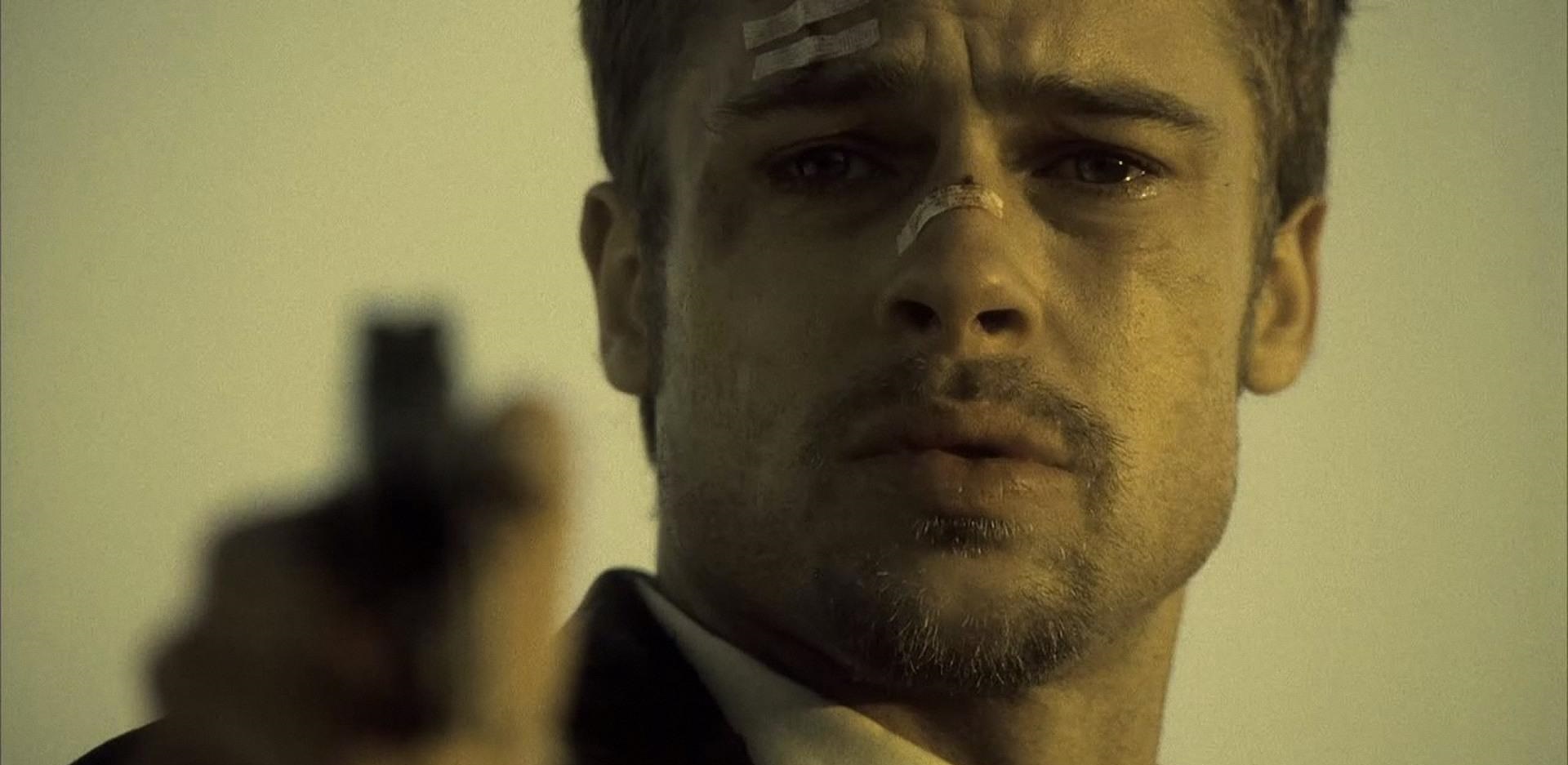
Seven (1995) Brad Pitt as detective David Mills

The most compelling thing about horror, at least to me, is that it is one of the last pockets in the popular culture of modern, secular society that consistently takes evil seriously. This is especially true of representations of supernatural evil, something enlightened citizens of the 21st century don’t tend to think about in any other context, but horror portrays evil of all kinds in one very specific way that stands in stark contrast to most other genres. In horror movies, evil is sometimes triumphant. In horror, the victory of the good and the virtuous is not a foregone conclusion. In fact, in lots of horror stories, goodness and virtue barely seem to exist.

However, I would be remiss if I didn’t acknowledge one other corner of cinema that deals heavily in evil as a major theme: film noir. Film noir is too slippery to define as a genre, of course. It’s more of a style that originates in a particular cultural moment in American Film. Its heyday came and went decades ago, but the mark it left was so indelible that, despite the complexities of defining it, we all recognize it when we see it (or modern homages to it). Noir films are mostly crime dramas in mostly urban settings with mostly cynical male protagonists who may be either criminals or crimefighters or some combination of both. A noir film may have only some of these qualities or even none of them. Nevertheless, film noir is distinguished by its visual style, which leverages contrasts between light and shadow to maximum effect through cinematography. But of course, this element of style goes far beyond the level of the merely visual. Film noir delves deeply into thematic darkness, as well. What distinguishes noir for me is its consistent willingness to gaze into the heart of human evil, and therein lies the potential for overlap between horror and noir.

Se7en, David Fincher’s 1995 masterpiece, is unmistakably neo-noir, but its obvious horror elements are not as widely recognized. It’s strange to look back now, after nearly a quarter of a century, and remember that this was only Fincher’s second feature, coming after a decade of directing music videos and his feature-length debut with the poorly-received Alien 3 (which he later disavowed). Se7en‘s unflinching stare at human depravity goes far beyond even the bleak cynicism of the average noir film. This story of two detectives hunting a serial killer through a squalid metropolitan hellscape as he brutally mutilates and tortures his victims in an evocation of the traditional seven deadly sins opens with stomach-churningly grotesque and builds from there. This is no mere “thriller.” Se7en is theological horror …

Read the rest over at Grindhouse Theology!

2018: An Oscar Commentary

•March 4, 2018 • 1 Comment

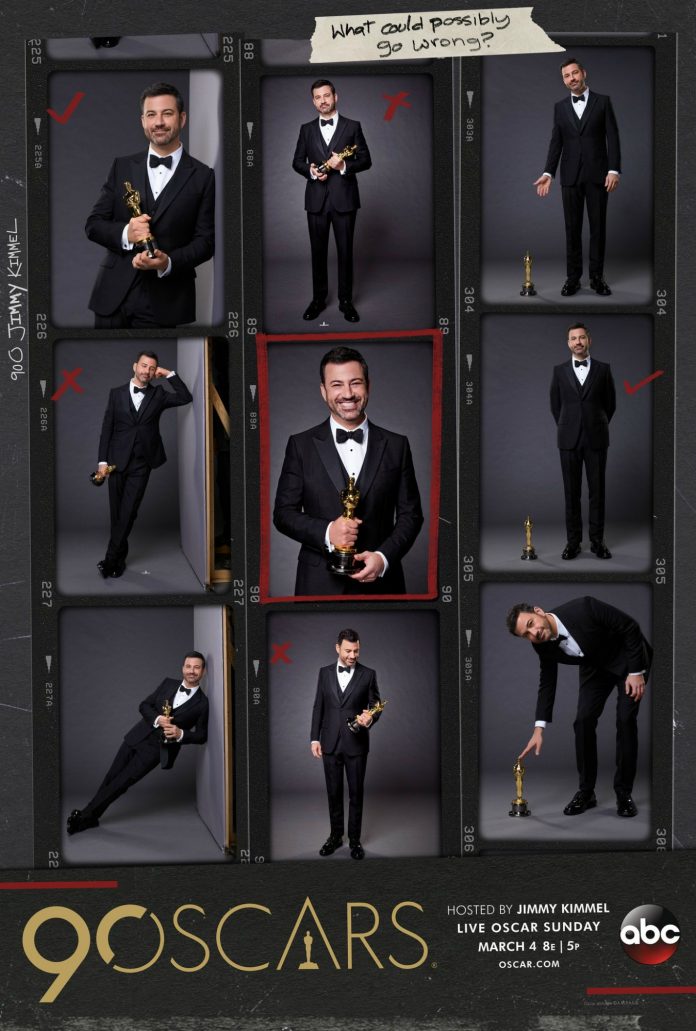
Well, I’m here and I’m ready to find out why they thought it was a good idea to let Jimmy Kimmel host again! Oh, they’re going retro. I’m a big sucker for that. But his opening monologue was way way too long.

Best Supporting Actor: Viola Davis is here to present the award. I’m hoping for a win for Sam Rockwell here, but I’d also be happy to see Willem Dafoe get this one. He was amazing in The Florida Project. Oh, and Richard Jenkins was also super-excellent. But Sam Rockwell is the winner. It’s his first, and he has done such great work, so consistently, for so long that I’m extremely excited about this.

Best Hair and Makeup: Gal Gadot and Armie Hammer are presenting this award. It should definitely go to Darkest Hour. No contest. And it does! Hooray. It’s a bit boring, but still nice, when it’s obvious and they get it right.

Best Costume Design: Eva Marie Saint is presenting this, and doing a great job of it. I assume Phantom Thread will win, but I’d rather it go to something like Shape of Water or even Beauty and the Beast. This is one of those where it’s boring because it’s too obvious. That movie was pure costume design bait. Of course it won. It’s certainly not undeserving, but . . . meh.

Best Documentary Feature: Greta Gerwig and Laura Dern are presenting. I don’t know anything about any of these, because I’m terrible. They look great! The winner is Icarus. I need to track this one down, and also the rest of them. There’s no excuse in the age of Netflix for me not to have seen more of these.

Taraji P. Henson introduces the song nominee from Mudbound, which is the movie I most should have seen this year, let alone the nominee I most should have seen, and the one I have the least excuse for not having seen. Ridiculous. So ashamed.

Back from the commercial break with a weird, shapeless montage celebrating “90 Years of Movies” or whatever . . . but mostly movies from the past 30 years or so, and including lots of movies that Oscar wanted nothing to do with, including Wonder Woman. Come on, guys.

Best Sound Editing and Best Sound Mixing: Ansel Elgort and Eiza Gonzalez are looking pretty stiff. Both awards go to Dunkirk, which is not a big surprise. I’d have given this one to literally any of the other nominees. All are more deserving films.

Best Production Design: Lupita Nyong’o and Kumail Nanjiani are presenting. Very happy to see The Shape of Water win this, but I’d have been equally happy to see it go to Blade Runner 2049.

Eugenio Derbez (whose name I had to google) is out to stumble through announcing the song nominee from Coco, which I was hoping would win until I heard Gael Garcia Bernal butcher it. What happened there?

Best Foreign Film: Rita Moreno is presenting. I don’t know anything about these, either. The Square looks super-interesting. The award goes to A Fantastic Woman. I should track these down, too.

Best Supporting Actress: Mahershala Ali is presenting. The award goes to Allison Janney, another amazing actress who has consistently done great work for years without any Oscar attention. She was so great in I, Tonya. I would have been just as happy to see Laurie Metcalf win for Lady Bird, but this is not surprising or disappointing.

Best Animated Short and Best Animated Feature: Kelly Marie Tran, Oscar Isaac, Mark Hamill and BB-8 are presenting. Whoever wrote their jokes was real real bad. Ouch. The only one of these I’ve seen is Pixar’s “Lou.” The winner is “Dear Basketball” . . . Which is . . . surprising. And of course, Coco wins the second award. I haven’t seen some of the better-looking nominees, but it was a travesty and an embarassment that Boss Baby was even nominated. I’ll see The Breadwinner in the next few days, and I hope it’s as great as I expect, but not so great that I’m retroactively disappointed that it didn’t win.

Daniela Vega from Best Foreign Film winner A Fantastic Woman announces the song nominee from Call Me by Your Name. I really like this one.

Best Visual Effects: Tom Holland and … someone else present. I missed the name and can’t for the life of me figure out who she is. Oscar goes to Blade Runner 2049, very appropriately! I loved every movie in this category, but this was the most deserving.

Best Editing: Matthew McConaughey is presenting. Baby Driver for sure needs to win this. It’s very much time for Dunkirk to not get a technical award. But it does get it. Because of course. Dunkirk is basically a movie that is about film editing, even more than Phantom Thread is a movie that is about costume design.

Best Documentary Short Subject and Best Live-Action Short: Tiffany Haddish and Maya Rudolph are presenting, and they are killing it. I don’t know anything about this category or any of the nominees. I never pay attention to these at all because, again, I am terrible. But seriously, these two need to host next year.

Dave Chappelle is out to announce the song nominee from Marshall.

Ashley Judd, Salma Hayek, and Annabella Sciorra are here to talk about #MeToo and introduce a little segment about it. Powerful stuff.

Best Adapted Screenplay: Chadwick Boseman and Margot Robbie are presenting. I think Logan should win this. I think it should have been nominated for Best Picture. But it won’t because . . . Yeah, Call Me by Your Name wins. And having just seen it recently, I can’t be sad about that. Great screenplay, great film.

Best Original Screenplay: Nicole Kidman is announcing this category. This is maybe the strongest category of the night, so I won’t be sad no matter who wins. But I’m particularly happy that Get Out won this one! Awesome.

Wes Studi introduces a montage about military films.

Best Cinematography: Sandra Bullock comes out to present. Roger Deakins needs an Oscar, you guys. Seriously. What else are we even doing here? Yes! Yes! I almost don’t even care what else happens tonight. This has been so long in coming. I have been rooting for this to happen for so long. There have been 3 years in the last decade where he wasn’t nominated, and every other year I wanted him to win it. This is so, so long overdue.

Zendaya is introducing the song nominee from The Greatest Showman.

Best Original Score: Christopher Walken is announcing this one. I don’t have a strong feeling about this one, but I’m leaning towards Desplat for The Shape of Water. And he gets it!

Best Original Song: Lin-Manuel Miranda and Emily Blunt are presenting this award. I’ve changed my mind about this one multiple times while watching this award, but I’m currently leaning towards Sufjan Stevens. I don’t think he’ll win, though, and I’ll be fine with most of the others. The winner is “Remember Me” which was my pick at some point earlier. I’m fine with that. That’s 2 awards for Coco!

Jennifer Garner is introducing the In Memoriam montage, backed by a Tom Petty song being sung by Eddie Vedder.

Best Director: Emma Stone is presenting. I’m hoping for a Greta Gerwig win here. The Oscar goes to Guillermo del Toro. I can’t be sad about that, even though his output has been so uneven. I somehow forgot this was his first nomination as director. He should have been in the running for Pan’s Labyrinth ages ago.

Best Actor: Jane Fonda and Helen Mirren are presenting. This will surely go to Gary Oldman, right? A lot of strong contenders, and it’s not a sure thing, but come on . . . Yes! Another long overdue award. This has really been a night for recognizing people who have been long overlooked.

Best Actress: Jennifer Lawrence and Jodie Foster are presenting, and ragging hard on Meryl Streep. I expect Frances McDormand to win this, and that wouldn’t be bad, but I’d so much rather see it go to Saoirse Ronan. And barring that, Margot Robbie. Frances McDormand does get it, though, as expected. She is really a great actress. And she is killing her speech! Wow. What a barn-burner to close things out before the final award. Fantastic.

Best Picture: Warren Beatty and Faye Dunaway get a shot at redemption here. This award needs to go to Get Out or Lady Bird, but I don’t think it will. I won’t be happy if it goes somewhere else, but I can live with anything but Dunkirk. The winner is The Shape of Water! I did not see that coming. It’s middle-of-the-pack for me, but a fine film that I’m okay seeing win.

2018: An Oscar Primer

•March 4, 2018 • Leave a Comment

2018oscars This has been the worst year I can remember for staying caught up with movies in general, and getting caught up with the Oscar nominees in particular, but Oscar night is here and I’m forging ahead. Let’s start with my ranking of the Best Picture nominees:
Get Out (4 nominations) – This is the best horror film in years, maybe a decade, and also so much more than just a genre movie. I’m thrilled that it broke into the Best Picture category, but I shouldn’t be surprised. It very clearly deserved it. Jordan Peele nailed it, first time out of the gate.

Lady Bird (5 nominations) – What a wonderful lived-experience committed to film this is. To me, this was the most genuine, true film of the year. It helped that the main character is in high school when I as in high school, but her experience is still nothing like mine . . . and yet it felt so real and so familiar. The writing and the performances are so brilliant.

Darkest Hour (6 nominations) – This wins the period drama contest for the year, for sure. It’s nakedly Oscar-bait, with broad mass-appeal, and clearly exercising a certain amount of dramatic license with the historical facts, but still manages to overcome all my cynicism with its stirring, inspirational magnificence. I’ll watch Gary Oldman do just about anything, but when he does stuff like this . . . Wow.

The Shape of Water (13 nominations) – I adore Guillermo del Toro’s style, but I’m a little hit-or-miss with his films. This one was a solid hit. It’s been called a fairy tale, but I think it’s more a morality play . . . one designed to flatly repudiate the values of Eisenhower-era America. Not exactly a daring stance, but the film pulls it off with flair.

Call Me by Your Name (4 nominations) – An beautifully-made film that is surprisingly sensitive with its subject, and full of brilliant, subtle performances. I felt that it lagged a bit in spots, but watching these actors in this setting almost made that not matter.

Three Billboards Outside Ebbing, Missouri (7 nominations) – I really don’t quite know what to do with this movie’s broad, dark streak of mean humor wrapped around a weirdly-sweet quasi-redemptive center. But the fact that it makes me a little uncomfortable doesn’t really qualify as a solid strike against it. I don’t know how it will fare at tonight’s ceremony, but it feels like a bomb going off in the middle of this list.

The Post (2 nominations) – Spielberg probably played it a little too safe and straight with this period piece, though I continue to appreciate his films that burn brightly in the defense of real American ideals about truth and justice and freedom in the face of jingoism and corruption. He’s done better, but most other filmmakers still do worse.

Phantom Thread (6 nominations) – Man, this was weird and I did not get it. Just totally baffled by this choice from the great Paul Thomas Anderson. Which wasn’t to say that it was a poor movie by any stretch . . . The craft and the style and the performances are as masterful as anything else he’s done. It just wasn’t quite my cup of tea. And that’s almost certainly a poor reflection on me, not it.

Dunkirk (8 nominations) – I was disappointed in Christopher Nolan for this. He should be able to do better, but at the same time this is exactly the clockwork mechanical exercise in great technical skill that he has. Maybe that’s the limit of his power, and that’s fine when he picks a more appropriate subject or genre. It didn’t work for this historical piece . . . but then, I like my historical movies with some sense of context and of the larger picture, even in the midst of depicting the ground-level experience of those who were there. Nolan still hasn’t quite managed to get the human element of his films right, and this was no exception.

Nominees I saw that I loved (almost all of these are in my top 10 for the year):
Logan
War for the Planet of the Apes
The Last Jedi
Blade Runner 2049
The Big Sick
I, Tonya
Baby Driver
Coco

Nominees I saw that I liked:
Kong: Skull Island
The Greatest Showman
The Florida Project
Guardians of the Galaxy Vol. 2

Nominees I saw that I didn’t like:
Beauty and the Beast
The Disaster Artist
The Boss Baby

Nominees that I’m most sad I missed (I plan to remedy these):
Mudbound
The Breadwinner
Molly’s Game
Roman J. Israel, Esq
Marshall
All the Money in the World

As usual, I’ve done the worst on the Documentary and Foreign Film categories. I didn’t see a single one this year.

The non-minees (movies I was most surprised to see shut out):
Wonder Woman
A Ghost Story
Spider-Man: Homecoming
Paddington 2
Thor: Ragnarok
Logan Lucky
Cars 3
The Lego Batman Movie

I’ll let you know how my hopes for the ceremony pan out in a few hours!

Grindhouse Theology: “Happy Death Day: How to Become a Final Girl (in 3 Easy Steps!)”

•February 18, 2018 • Leave a Comment

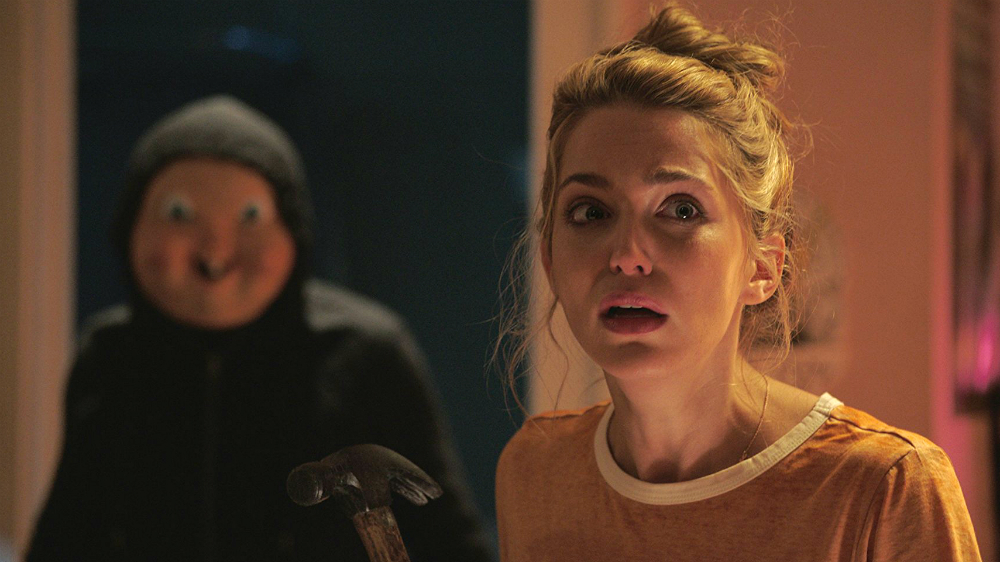
happydeathday

It’s February, and even though we’re already in the back half and Valentine’s Day has come and gone, I’m going to declare that it’s still relevant to reference the greatest February holiday movie of all time: Groundhog Day. (I feel fairly safe giving it that label. For one thing, it’s brilliant. For another, what other contenders even exist?) Everyone has seen Groundhog Day, I hope, but if you haven’t: Bill Murray plays narcissistic, misanthropic weatherman Phil Connors, who finds himself inexplicably trapped in a time loop in which he is forced to relive the same day over and over as he reluctantly covers the Groundhog Day festival in Punxsutawney with a small crew from his home station in Pittsburgh. A cinematic masterpiece ensues.

I mention this because, if you love Groundhog Day and you’re a fan of slashers, you might also enjoy last year’s breezy genre mashup Happy Death Day, in which self-absorbed sorority mean girl Theresa “Tree” Gelbman is forced to relive her own gruesome murder (on her birthday) again and again as she tries to narrow down an impressively-lengthy list of suspects.

Read the rest over at Grindhouse Theology!